
The court floor is one of the most critical elements in any sports facility, whether it’s for basketball, volleyball, badminton, futsal, or multi-purpose arenas. The flooring affects player performance, safety, and the overall longevity of the facility. Choosing the right court floor material ensures proper traction, shock absorption, and durability, creating an optimal environment for athletes.
Importance of a Quality Court Floor
A well-designed court floor provides:
-
Safety: Reduces the risk of injuries from slips, falls, and high-impact movements.
-
Performance: Offers consistent bounce, grip, and surface responsiveness suitable for specific sports.
-
Durability: Withstands heavy traffic, equipment impact, and frequent cleaning.
-
Aesthetics: Enhances the overall appearance and professionalism of the facility.
Key Features of Court Floors
-
Shock Absorption: Protects players’ joints, knees, and spine from high-impact movements.
-
Traction: Ensures safe movements, quick direction changes, and controlled gameplay.
-
Uniform Surface: Avoids uneven spots or bumps that can affect ball bounce or player stability.
-
Weather and Moisture Resistance: Especially for outdoor courts, flooring must withstand varying weather conditions.
-
Low Maintenance: High-quality floors require minimal maintenance while lasting for years.
Types of Court Flooring
-
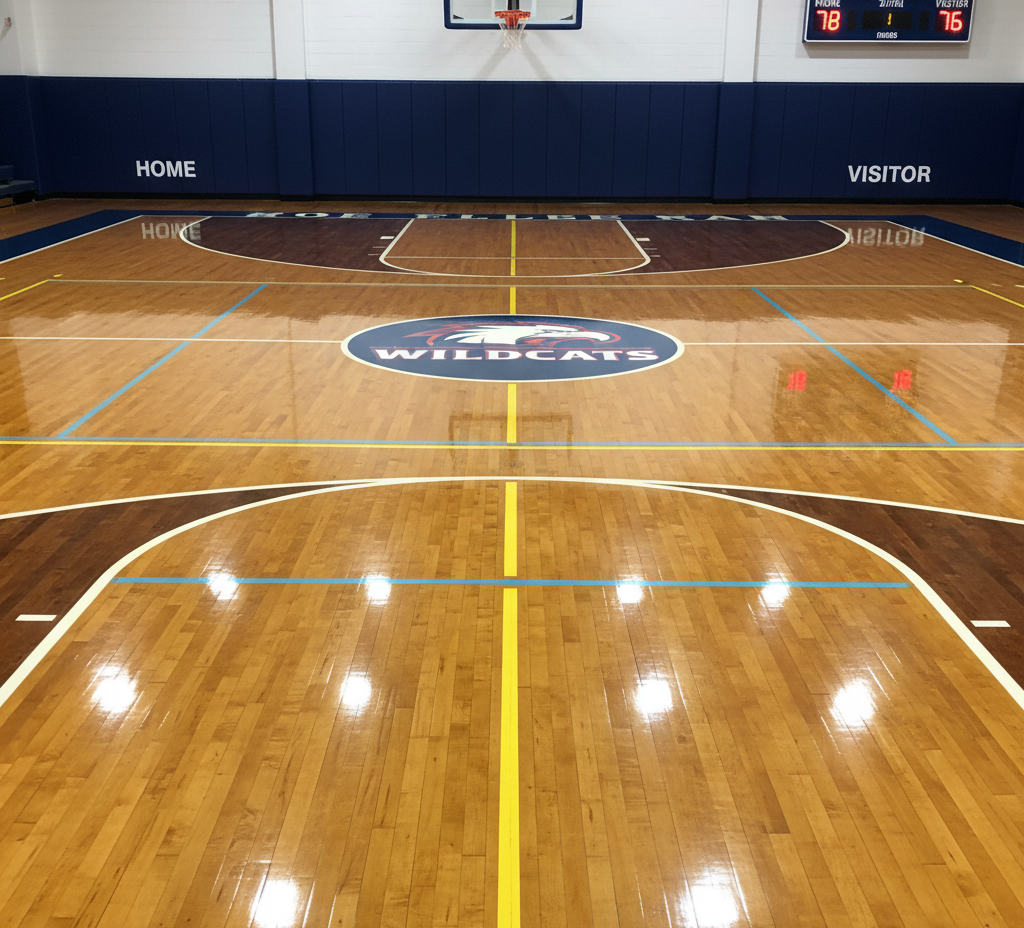
Wooden Floors: Popular for indoor basketball, volleyball, and multipurpose courts. Maple wood is the standard due to its durability, smooth surface, and natural shock absorption.
-
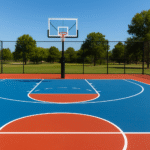
Acrylic Synthetic Flooring: Suitable for both indoor and outdoor courts, offering weather resistance, low maintenance, and vibrant color options.
-
Rubber Flooring: Ideal for multipurpose courts and gyms, providing excellent cushioning, slip resistance, and durability.
-
Modular Interlocking Tiles: Often used for outdoor courts, these tiles are easy to install, maintain, and replace.
-
Epoxy Flooring: Durable and smooth, mainly used in commercial sports centers or industrial multipurpose courts.
-
Artificial Turf / Synthetic Grass: Common for outdoor football, futsal, and multi-sport courts where grass-like surfaces are preferred.
Installation Considerations
-
Surface Preparation: The base must be level, compacted, and free from debris.
-
Floor Type Selection: Choose flooring based on the sport, indoor/outdoor requirements, and budget.
-
Professional Installation: Ensures proper adhesion, alignment, and longevity of the court floor.
-
Line Marking: Precise and durable markings are essential for official gameplay.
Maintenance Tips
-
Regular cleaning to remove dust, dirt, and sweat.
-
Inspecting for cracks, wear, or loose sections.
-
Using protective pads under heavy equipment.
-
Avoiding harsh chemicals that can damage the surface.
Conclusion
A high-quality court floor is the backbone of any sports facility. It combines safety, performance, durability, and aesthetics to provide the best environment for athletes. By choosing the right materials, installation methods, and maintenance practices, you can create a court that supports professional-level performance and enhances the overall experience for players and spectators alike.