
Sports turf has revolutionized the way athletes train and play, offering a high-performance, durable, and low-maintenance surface that can be used year-round. Whether for football, hockey, rugby, or multi-sport facilities, investing in quality sports turf ensures safety, performance, and aesthetic appeal.
1. What is Sports Turf?
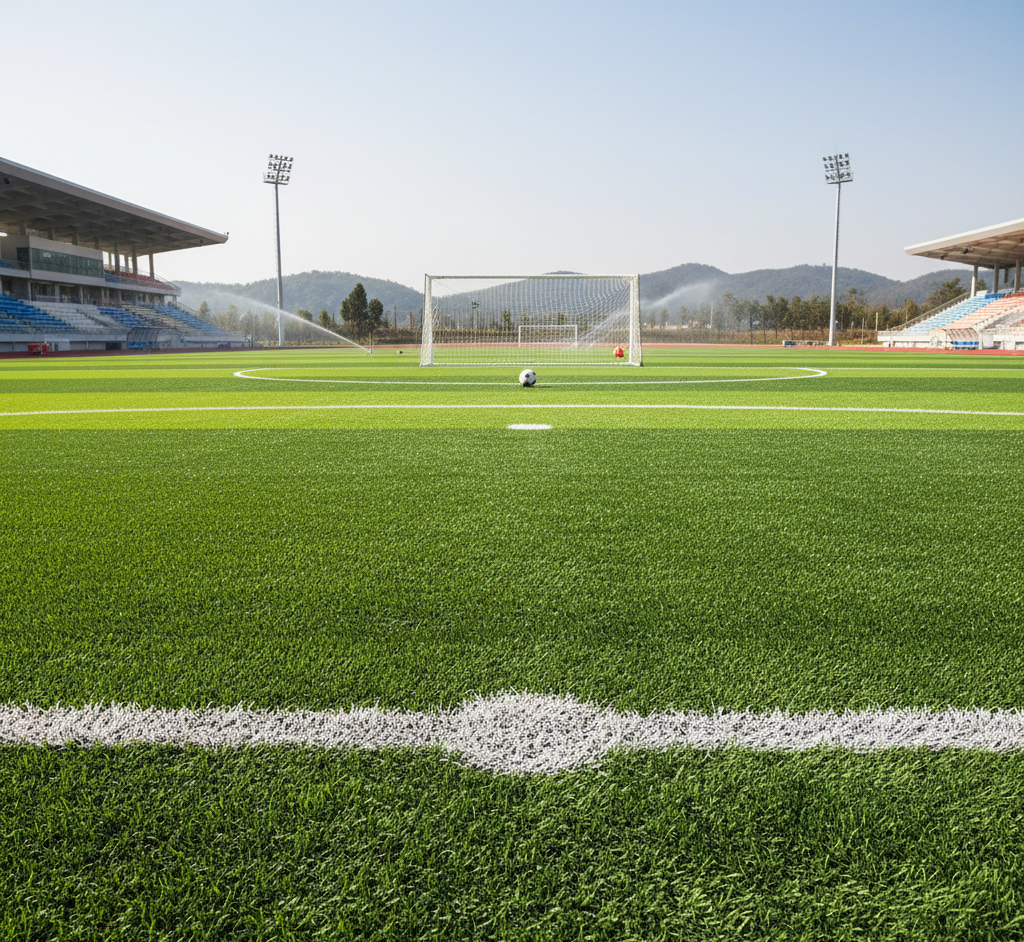
Sports turf is a specially designed artificial grass system engineered to replicate the natural playing experience of grass while offering enhanced durability and performance. Unlike natural grass, sports turf can withstand heavy usage, harsh weather, and frequent maintenance without losing its integrity.
2. Benefits of Sports Turf
a. Durability
Sports turf is engineered to endure constant foot traffic, heavy gameplay, and environmental wear and tear. High-quality synthetic fibers maintain their shape and performance even after years of use.
b. Low Maintenance
Unlike natural grass, sports turf does not require watering, mowing, or fertilization. Minimal maintenance such as cleaning and occasional brushing keeps the field in peak condition.
c. Consistent Playing Surface
Sports turf provides a uniform surface that reduces uneven footing, improving player performance and minimizing injury risks. It also ensures consistent ball roll and bounce, critical for sports like football, field hockey, and lacrosse.
d. Weather Resistance
Artificial turf drains quickly, making it playable in rain or wet conditions. This reduces game cancellations and ensures year-round usability.
e. Cost-Effective
Although initial installation may be higher than natural grass, sports turf eliminates the recurring costs of watering, fertilizing, and field repairs, offering long-term savings.
3. Types of Sports Turf
a. Football Turf
Designed with durability and cushioning, football turf provides excellent traction and ball behavior for professional and recreational use. It is engineered to reduce player fatigue and injuries.
b. Hockey Turf
Hockey turf is typically shorter and denser, allowing smooth ball roll and precise gameplay. Specialized infills improve speed, grip, and durability.
c. Multi-Sport Turf
Multi-sport turf accommodates a range of activities, from football and cricket to recreational games, with optimized cushioning and fiber resilience.
d. Training and Academy Turf
For academies and training facilities, is designed for high usage intensity, supporting drills, endurance training, and skill development without wear and tear.
4. Key Features to Consider
-
Fiber Quality: High-density fibers provide resilience and realistic grass feel.
-
Infill Materials: Sand, rubber, or organic infills impact cushioning, drainage, and player safety.
-
Shock Absorption: Reduces joint stress and prevents injuries.
-
UV Protection: Ensures color retention and durability under sunlight.
-
Drainage System: Efficient drainage prevents waterlogging and extends field life.
5. Installation & Maintenance
Proper installation is critical to maximizing the lifespan and performance of . A professional installation involves:
-
Excavation and leveling of the base.
-
Laying high-quality synthetic turf with appropriate infill.
-
Seam bonding for smooth, uniform surfaces.
-
Installation of drainage systems for optimal water management.
Maintenance includes periodic brushing, infill topping, and surface cleaning, ensuring consistent performance and aesthetics.
6. Why Choose Sports Turf?
offers a combination of performance, safety, and convenience that natural grass cannot match. It is ideal for schools, clubs, stadiums, and residential sports facilities, providing a reliable playing surface all year long. With advanced technology, now replicates natural grass experience while offering superior durability and low maintenance.
Conclusion:
Investing in high-quality transforms your facility into a professional, safe, and durable space for enthusiasts. From football and hockey to multi-sport applications, turf ensures consistent performance, reduces injuries, and provides a visually appealing playing field that lasts for years.