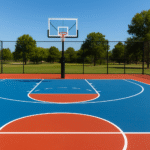



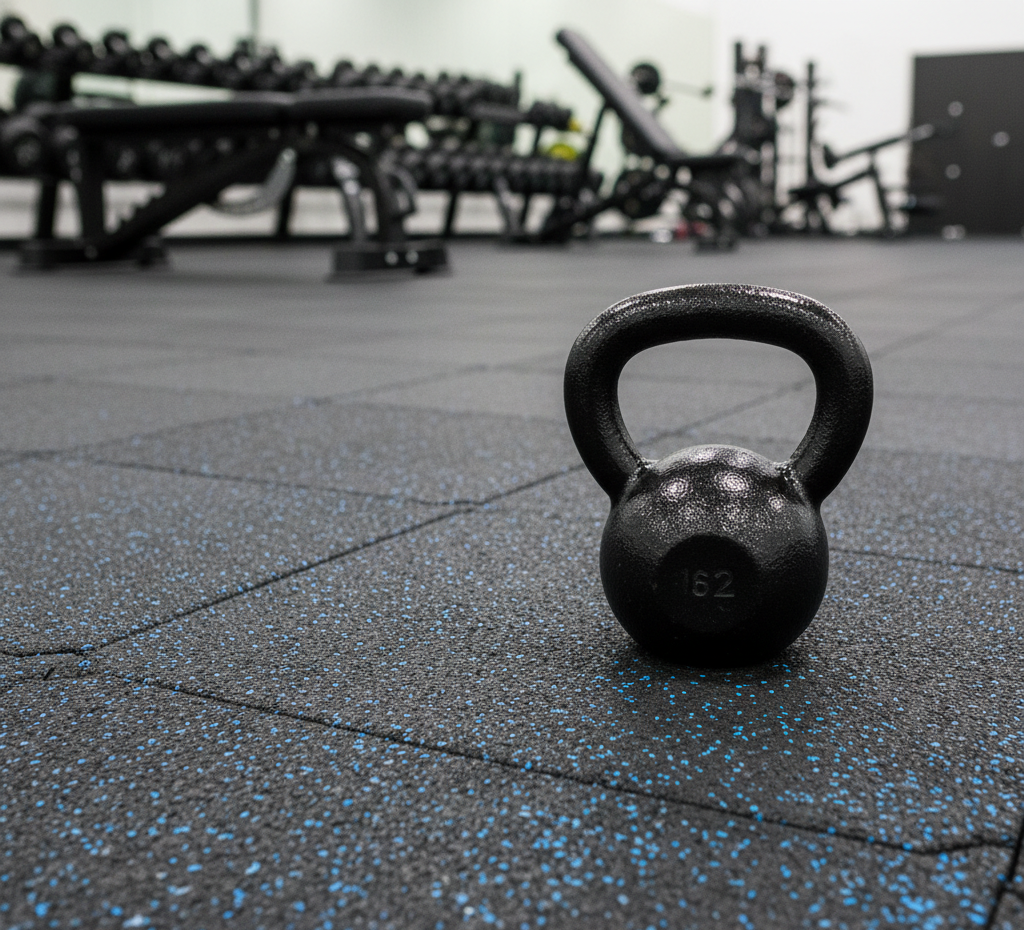
The choice of gym floor material plays a pivotal role in the functionality, safety, and aesthetics of any fitness or sports facility. Whether it’s a home gym, commercial fitness center, or professional sports arena, the flooring determines comfort, durability, and performance. A well-chosen gym floor material ensures that athletes and fitness enthusiasts can train effectively while minimizing the risk of injury.
Importance of Quality Gym Flooring
Gym floors are exposed to heavy foot traffic, equipment impact, and various types of workouts, from weightlifting to cardio exercises. Poor flooring can result in slips, trips, or joint stress, reducing workout efficiency and increasing the chance of injury. High-quality gym flooring absorbs shock, provides proper traction, and supports a wide range of activities, making it an essential investment for any gym.
Key Features of Effective Gym Floor Materials
-
Durability: Gym floors must withstand heavy weights, repetitive movement, and frequent cleaning without wearing out quickly.
-
Shock Absorption: Proper cushioning reduces strain on joints and prevents injuries, especially during high-impact exercises.
-
Non-Slip Surface: Prevents accidents during workouts, even in areas prone to sweat or moisture.
-
Easy Maintenance: Gym flooring should be resistant to stains, moisture, and wear, allowing easy cleaning and longevity.
-
Aesthetic Appeal: High-quality materials improve the overall look of the gym and create a motivating environment.
Common Types of Gym Floor Materials
-
Rubber Flooring: Highly durable, shock-absorbent, and slip-resistant. Ideal for weight rooms, cardio areas, and multipurpose gyms. Available in rolls, tiles, and interlocking mats.
-
Wood Flooring: Common in indoor courts, dance studios, and multipurpose areas. Offers natural aesthetics, excellent traction, and shock absorption. Maple is the most popular wood due to its durability.
-
Vinyl Flooring: Lightweight, easy to clean, and available in various designs. Suitable for aerobics, yoga, and general fitness areas.
-
Foam Mats: Soft and cushioned, perfect for stretching areas, martial arts, and kids’ fitness zones. Not ideal for heavy weights.
-
Hybrid Flooring: Combines materials like rubber and vinyl to offer versatility, durability, and aesthetics. Often used in commercial gyms.
Installation and Maintenance
Proper installation is crucial for maximizing the performance and lifespan of gym floors. Floors must be laid on a leveled surface, with special attention to interlocking tiles or adhesive-based materials to prevent gaps or movement. Regular maintenance includes cleaning spills, sweeping dust, and periodically checking for wear or damage. Rubber and vinyl floors are especially low-maintenance, while wooden floors may require refinishing over time.
Benefits of Investing in Quality Gym Flooring
-
Enhances safety and reduces risk of injury.
-
Improves workout efficiency and comfort.
-
Increases durability and reduces long-term replacement costs.
-
Elevates the overall look and professionalism of the gym.
Conclusion
Selecting the right gym floor material is a critical decision that impacts safety, performance, and aesthetics. By choosing materials suited to your gym’s activities, you create an environment that supports a wide range of workouts while protecting both athletes and equipment. Whether you prefer rubber for durability, wood for elegance, or vinyl for versatility, investing in quality gym flooring ensures long-lasting value and an optimal training experience.