Introduction
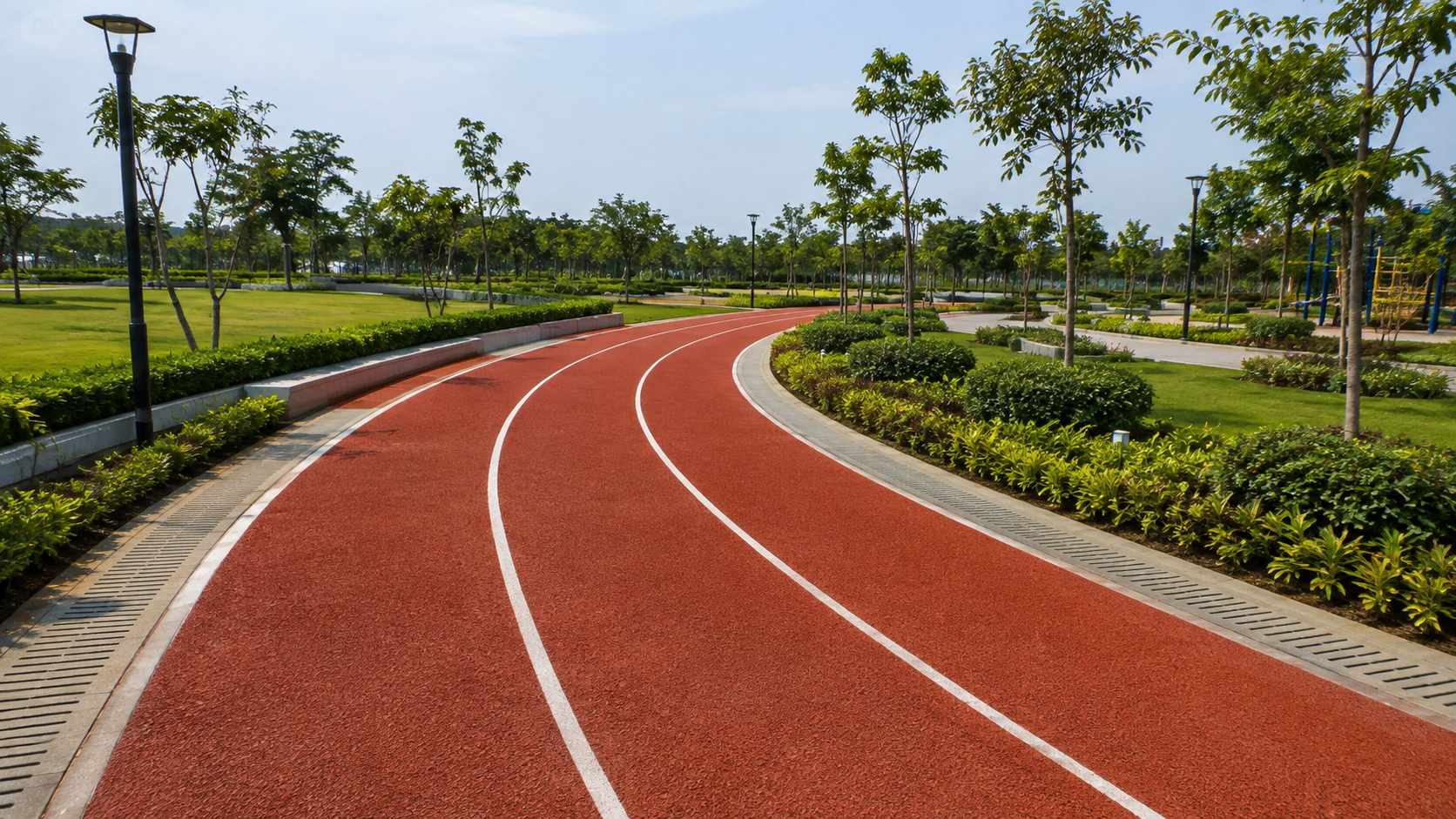
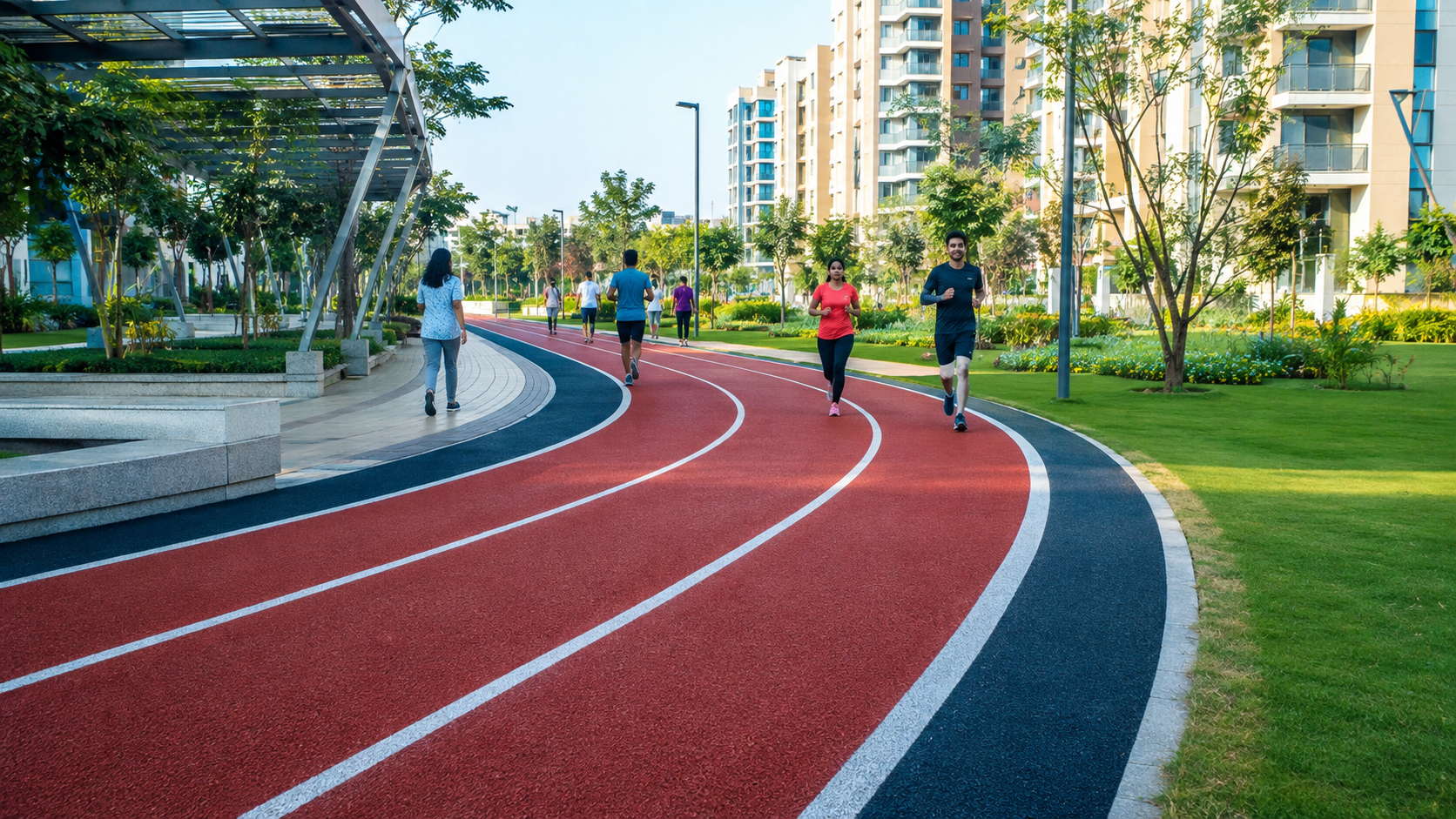
A well-designed jogging track is more than just a pathway for walking, running, or exercising. It is an important part of modern parks, residential communities, schools, sports complexes, fitness centres, and public recreational spaces. A professionally constructed jogging track provides a comfortable and safe surface for people of different age groups while encouraging a healthier and more active lifestyle.
However, one important aspect of jogging track construction is often overlooked during the planning and development stages: proper drainage systems.
Drainage plays a significant role in determining the durability, performance, safety, and maintenance requirements of a jogging track. Without an effective drainage arrangement, rainwater can accumulate on the surface, damage the track structure, create slippery conditions, and reduce the overall usability of the facility.
Whether you are planning a synthetic jogging track, rubber running track, EPDM jogging track, or natural-surface running track, proper water management should always be considered an essential part of the construction process.
In this blog, we will explore why proper drainage is important for jogging track construction, how drainage systems work, common drainage problems, and the best practices for creating a long-lasting jogging track.
1. Prevents Waterlogging on the Jogging Track
One of the primary reasons proper drainage is important for jogging track construction is to prevent waterlogging.
During the rainy season, large amounts of rainwater can collect on jogging track surfaces if the site does not have an effective drainage system. Standing water makes the track difficult to use and can create inconvenience for runners, walkers, and fitness enthusiasts.
Waterlogging is particularly problematic in outdoor jogging tracks located in parks, residential societies, school campuses, and public sports facilities.
When rainwater cannot flow away properly, it may create:
- Water puddles across the running surface.
- Slippery and uncomfortable walking conditions.
- Mud accumulation around track edges.
- Damage to the underlying base layers.
- Unpleasant conditions for daily users.
A professionally planned drainage system allows rainwater to move away from the jogging surface instead of collecting in low-lying areas.
Proper surface gradients, drainage channels, and suitable water outlets help maintain a dry and usable running track even after rainfall.
For this reason, drainage planning should begin during the initial site assessment rather than being treated as an additional feature after construction.
2. Improves Jogging Track Safety
Safety is one of the most important considerations in any jogging track construction project.
People use jogging tracks for regular physical activities, including running, brisk walking, jogging, and warm-up exercises. These activities require a stable, comfortable, and predictable surface.
When water accumulates on the track, the surface may become slippery. This increases the possibility of slipping, falling, and sustaining injuries.
Poor drainage can also contribute to algae growth, moss formation, and dirt accumulation in areas that remain damp for extended periods.
These conditions can create additional safety concerns, particularly for children, senior citizens, and people who use the track early in the morning.
A properly designed drainage system helps by:
- Reducing standing water after rainfall.
- Maintaining better surface traction.
- Minimising slippery patches.
- Preventing excessive moisture around the track.
- Supporting safer running and walking conditions.
It is important to understand that drainage alone does not guarantee a slip-resistant surface. The selected track material, surface texture, installation quality, and regular cleaning also contribute to overall safety.
Combining appropriate surfacing materials with effective drainage creates a more reliable jogging environment.
3. Increases the Lifespan of Jogging Track Surfaces
A jogging track is a long-term infrastructure investment. Property developers, municipal authorities, educational institutions, and sports facility owners expect their tracks to provide reliable performance for many years.
However, continuous exposure to moisture can shorten the lifespan of different jogging track materials and structural layers.
For example, water entering cracks or weak points in the surface may reach the underlying base. In certain conditions, this can weaken the supporting layers, cause movement, and contribute to surface deterioration.
Depending on the material and construction method, poor drainage may lead to:
- Surface cracking.
- Bubbling or blistering in some synthetic systems.
- Separation between surface and base layers.
- Uneven track sections.
- Damage to joints and edges.
- Premature surface replacement.
An effective drainage arrangement helps protect the track structure by controlling how water moves across and beneath the surface.
For synthetic jogging tracks, proper moisture management is particularly important because the performance of the entire system depends on the condition of the base and the correct installation of the selected surfacing material.
Investing in drainage during the construction stage can help reduce avoidable repair costs and extend the useful life of the jogging track.
4. Protects the Foundation and Base Layers
The foundation is the backbone of a professionally constructed jogging track.
Before installing the final running surface, contractors generally prepare the subgrade and supporting base layers according to the selected track system, soil conditions, and project specifications.
These layers provide structural stability and distribute the loads created by daily foot traffic.
However, excessive water beneath or around the jogging track can negatively affect the foundation.
Certain soil types become weaker when saturated with water. This may result in reduced bearing capacity, settlement, or movement in the supporting layers.
If the foundation becomes unstable, the running surface above it may also develop problems.
For example, a track constructed over poorly drained soil may experience:
- Localised settlement.
- Uneven surface levels.
- Depressions and low spots.
- Cracks in the finished surface.
- Structural deterioration over time.
To avoid these problems, proper site preparation and drainage planning are essential.
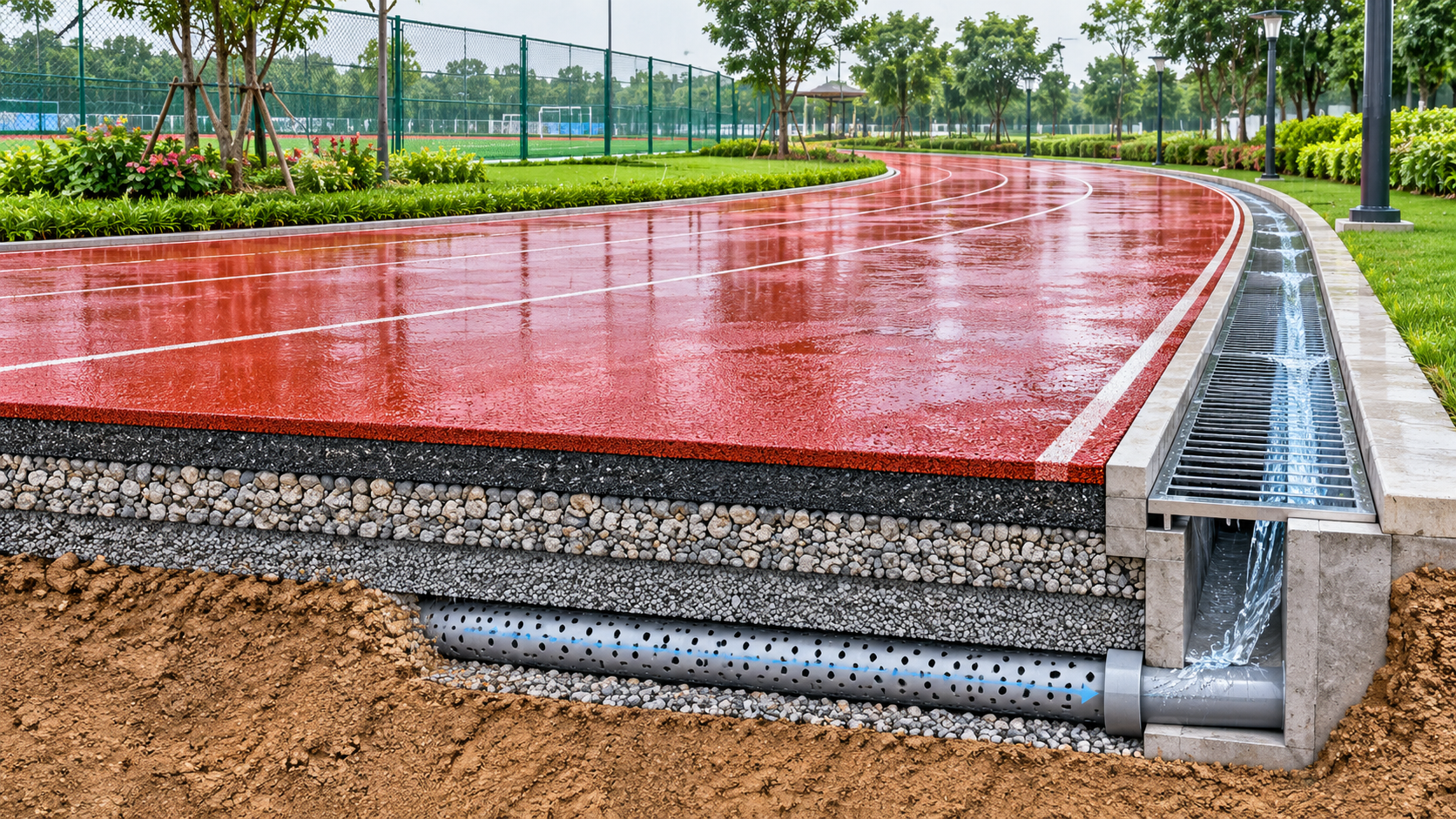
Depending on the site requirements, construction professionals may incorporate compacted granular layers, suitable subgrade preparation, perimeter drains, subsoil drainage pipes, or other engineered solutions.
The exact drainage arrangement should be selected after evaluating soil permeability, groundwater conditions, rainfall intensity, site levels, and the proposed track surface.
5. Maintains Consistent Jogging Track Performance
A quality jogging track should provide a consistent running experience across its entire length.
Runners expect a surface that feels comfortable, provides suitable traction, and offers predictable performance.
Poor drainage can interfere with these characteristics.
For instance, when certain sections remain wet while other areas are dry, the track may develop inconsistent surface conditions. Dirt, sediment, and organic material can also accumulate in areas where water does not drain properly.
This may affect the comfort and usability of the facility.
Proper drainage helps maintain:
- More consistent surface conditions.
- Better usability after rainfall.
- Reduced accumulation of mud and debris.
- Improved cleanliness.
- More predictable running conditions.
For professional sports facilities and community jogging tracks, consistent performance is an important part of delivering a positive user experience.
A well-designed drainage system supports this objective by managing rainwater efficiently throughout the facility.
6. Reduces Maintenance and Repair Expenses
Maintenance is an ongoing responsibility for every jogging track owner.
Whether the track is installed in a residential society, public park, school, university, or sports complex, it requires periodic cleaning, inspection, and maintenance.
When drainage is inadequate, maintenance requirements can increase significantly.
Standing water may carry soil, dust, leaves, and other debris onto the running surface. Damp areas may require additional cleaning, while damaged sections may need professional repair.
Over time, repeated water-related damage can increase the total cost of maintaining the facility.
Some common maintenance expenses associated with poor drainage include:
- Cleaning accumulated mud and debris.
- Repairing damaged surface sections.
- Correcting uneven areas.
- Replacing deteriorated materials.
- Cleaning blocked drainage channels.
- Addressing water-related foundation problems.
Although installing a suitable drainage system involves an initial investment, it can reduce avoidable maintenance expenses over the long term.
A properly designed drainage arrangement also makes routine cleaning easier and helps facility managers maintain the track in better condition.
From a project management perspective, drainage should be viewed as a long-term cost-saving investment rather than an unnecessary construction expense.
7. Makes the Jogging Track More Suitable for Different Weather Conditions
Weather conditions have a direct influence on the performance of outdoor jogging tracks.
In regions that experience heavy monsoon rainfall, sudden showers, or seasonal storms, effective water management becomes particularly important.
A jogging track without adequate drainage may remain unusable long after rainfall has stopped.
This can affect people who depend on the facility for daily exercise and fitness activities.
A professionally planned drainage system helps rainwater move away from the running surface, allowing the track to become usable again once the surface and surrounding conditions are sufficiently dry.
However, drainage performance depends on several factors, including:
- Local rainfall patterns.
- Site topography.
- Soil absorption capacity.
- Track surface material.
- Drainage outlet capacity.
- Groundwater conditions.
- Maintenance of drainage channels.
For outdoor jogging track projects, contractors should evaluate local climatic conditions before finalising the drainage design.
This is particularly important in areas with intense seasonal rainfall, where inadequate drainage capacity can create recurring problems.
8. Prevents Damage to Synthetic and Rubber Jogging Tracks
Synthetic jogging tracks and rubber running tracks are popular choices for modern recreational and sports infrastructure.
Materials such as EPDM rubber, polyurethane (PU), and other synthetic surfacing systems are selected for their comfort, durability, and specialised performance characteristics.
However, the performance of these systems depends on proper installation and a suitable supporting structure.
Drainage requirements can vary depending on the specific surfacing system.
For example, some porous rubber surfaces allow water to pass through the surface layer and drain through a suitably designed permeable base. Other synthetic systems rely primarily on surface gradients and designated drainage outlets.
If the base or supporting structure cannot manage water effectively, moisture-related problems may develop.
Potential issues include:
- Water accumulation beneath the surface.
- Separation or deterioration in affected areas.
- Surface deformation.
- Reduced durability.
- Damage to vulnerable joints and edges.
For this reason, drainage design should always be coordinated with the selected synthetic jogging track system.
A professional contractor should understand the technical requirements of the chosen material before beginning installation.
9. Supports Better Hygiene and a Cleaner Environment
A jogging track is a frequently used recreational facility. It should remain clean, comfortable, and hygienic for everyone.
Poor drainage can create damp conditions where mud, organic debris, and stagnant water accumulate.
These conditions may encourage algae growth, unpleasant odours, and insect breeding in surrounding areas.
Waterlogging can also cause nearby soil and landscaping materials to wash onto the running surface.
A well-planned drainage system helps minimise these problems by directing excess water towards appropriate collection and disposal points.
It also supports better management of rainwater around landscaped areas, pathways, and adjoining recreational spaces.
For public parks and residential communities, maintaining a clean jogging track improves the overall appearance and usability of the facility.
Good drainage is therefore not only a structural requirement but also an important part of maintaining a pleasant outdoor environment.
10. Improves the Overall Quality of Jogging Track Construction
The quality of a jogging track depends on several interconnected construction elements.
These include site preparation, soil testing, base development, surface installation, edge detailing, line marking, and drainage planning.
If one of these elements is neglected, the overall performance of the facility may be affected.
Drainage is especially important because it influences the condition of the surface and the structural layers beneath it.
A track may look attractive immediately after construction, but poor water management can create problems within a relatively short period.
Professional jogging track construction companies understand that a successful project requires more than installing rubber or synthetic materials over a prepared surface.
It requires a complete construction approach in which drainage, foundation preparation, material selection, and finishing work are planned together.
This integrated approach helps deliver a more durable, functional, and reliable jogging track.
Types of Drainage Systems Used in Jogging Track Construction
The most suitable drainage system depends on the track design, surface material, soil conditions, and local rainfall.
Below are some commonly used drainage solutions.
1. Surface Drainage System
Surface drainage is designed to remove rainwater flowing across the jogging track.
It generally involves creating appropriate surface gradients that direct water towards designated drainage points.
The slope must be carefully planned to prevent water accumulation without making the running surface uncomfortable or unsafe.
2. Perimeter Drainage System
Perimeter drainage is installed around the edges of a jogging track to collect and redirect water.
It can be useful for preventing water from surrounding landscapes, pathways, and soil areas from entering the track.
Depending on the project, the system may include side drains, channels, or collection points.
3. Subsurface Drainage System
Subsurface drainage manages water beneath the jogging track surface.
It may include perforated drainage pipes, drainage aggregates, and suitable filtration materials.
This arrangement can be particularly useful where groundwater, saturated soil, or water infiltration creates concerns for the track foundation.
4. Channel Drainage System
Channel drainage uses specially designed channels to collect surface runoff and transport it towards an appropriate outlet.
These channels may be installed along selected edges or at strategic locations based on the site drainage plan.
They should be designed to avoid creating hazards for runners and should remain accessible for cleaning and maintenance.
Best Practices for Proper Drainage in Jogging Track Construction
To achieve reliable drainage performance, construction companies should follow a systematic approach.
Conduct a Detailed Site Inspection
Before construction begins, assess the site’s elevation, soil conditions, existing water flow, and surrounding landscape.
Identify low-lying areas where rainwater may accumulate.
Evaluate Soil Conditions
Soil permeability and groundwater conditions influence drainage requirements.
A soil investigation helps determine whether the project needs additional subsurface drainage or foundation improvements.
Plan the Correct Surface Slope
The track should have carefully designed gradients that allow rainwater to flow towards designated collection points.
Avoid creating depressions or uneven sections that may retain water.
Select Suitable Construction Materials
Choose base materials and surfacing systems according to the intended use, local weather conditions, and drainage requirements.
Materials should be installed according to the manufacturer’s technical specifications and project design.
Install Proper Drainage Outlets
Drainage channels and pipes must connect to suitable discharge points.
The outlet should have sufficient capacity and should not direct water towards neighbouring properties or create environmental problems.
Inspect and Maintain the Drainage System
Regularly remove leaves, dust, mud, and other debris from drainage channels.
Inspect drainage outlets, pipes, and collection points to ensure that rainwater can flow freely.
Preventive maintenance helps avoid blockages and unexpected drainage failures.
Common Drainage Mistakes to Avoid During Jogging Track Construction
Even a high-quality running surface can experience problems if the drainage design is inadequate.
Some common mistakes include:
- Ignoring site topography: Failing to understand the natural slope of the land can result in poor water movement.
- Using an improper surface gradient: Incorrect levels may create low spots where water collects.
- Neglecting soil investigation: Building without understanding soil permeability and groundwater conditions can lead to foundation problems.
- Installing undersized drainage channels: Drainage capacity should be based on the expected runoff and local rainfall conditions.
- Ignoring surrounding areas: Water from nearby gardens, buildings, and pathways may enter the jogging track if the site is not planned properly.
- Using unsuitable base materials: Materials that do not meet the requirements of the selected track system may affect structural stability and drainage performance.
- Skipping regular maintenance: Even a properly designed drainage system can become ineffective if channels and outlets remain blocked.
Avoiding these mistakes helps improve the quality and long-term performance of jogging track construction projects.
Why Choose a Professional Jogging Track Construction Company?
Constructing a durable jogging track requires technical knowledge, suitable materials, experienced workmanship, and proper project planning.
A professional jogging track construction company understands the relationship between drainage, foundation preparation, and surface installation.
From initial site inspection to final finishing, experienced contractors can help ensure that the different construction stages work together.
When selecting a contractor, consider the following factors:
- Experience in jogging track and running track construction.
- Knowledge of EPDM, PU, rubber, and other surfacing systems.
- Understanding of site grading and drainage arrangements.
- Quality of construction materials.
- Skilled installation team.
- Proper project planning and execution.
- Post-installation maintenance guidance.
Choosing an experienced contractor helps reduce construction-related risks and supports the development of a jogging track that meets the intended functional requirements.
Conclusion
Proper drainage is one of the most important factors in successful How to Build a Professional Jogging Track in India It protects the foundation, reduces waterlogging, improves user safety, maintains surface performance, and helps extend the lifespan of the entire facility.
Without an effective drainage arrangement, even a high-quality jogging track can experience premature deterioration, recurring maintenance problems, and reduced usability.
Whether you are developing a jogging track for a residential society, public park, school, university, sports complex, or fitness facility, drainage should be included in the initial construction plan.
A professionally designed jogging track combines proper site preparation, suitable base materials, high-quality surfacing, and an efficient drainage system.
Remember, a durable jogging track does not depend only on the quality of its running surface. It also depends on how effectively the entire structure manages water.
If you are planning a new jogging track construction project, work with experienced professionals who understand the importance of drainage, material selection, and quality installation. The right planning today can help create a safer, more comfortable, and longer-lasting jogging track for years to come.
Frequently Asked Questions (FAQs)
1. Why is drainage important in jogging track construction?
Drainage prevents waterlogging, protects the track foundation, reduces slippery conditions, and helps maintain the durability and usability of the running surface.
2. What happens if a jogging track does not have proper drainage?
Poor drainage can cause standing water, surface deterioration, foundation weakening, algae growth, uneven sections, and increased maintenance expenses.
3. Which drainage system is best for a jogging track?
The best system depends on soil conditions, rainfall, track materials, and site layout. Surface drainage, perimeter drainage, channel drainage, and subsurface drainage may be used individually or in combination.
4. Do EPDM jogging tracks require drainage?
Yes. EPDM jogging tracks require appropriate water management. Porous EPDM systems need a compatible permeable base, while other systems may rely on surface gradients and designated outlets.
5. How can waterlogging be prevented on a running track?
Waterlogging can be prevented through proper site grading, suitable surface slopes, effective drainage channels, appropriate base preparation, and regular maintenance.
6. Does proper drainage increase the lifespan of a jogging track?
Yes. Effective drainage helps protect the foundation and supporting layers from excessive moisture, reducing the risk of water-related damage and premature deterioration.
7. When should drainage planning be completed?
Drainage planning should be completed during the initial design and site preparation stage, before foundation work and surface installation begin.
8. How often should jogging track drainage systems be maintained?
Drainage systems should be inspected regularly, particularly before and after the rainy season. Cleaning frequency depends on surrounding vegetation, dust levels, rainfall, and the amount of debris entering the drainage channels.
9. Can a synthetic jogging track be used after rainfall?
It depends on the surface system, drainage design, and actual weather conditions. A properly designed track can manage rainwater effectively, but the surface should be checked for standing water and slippery conditions before use.
10. What factors should be considered before constructing a jogging track?
Important factors include site location, soil conditions, drainage requirements, track dimensions, surface materials, expected usage, safety, maintenance, and construction quality.