
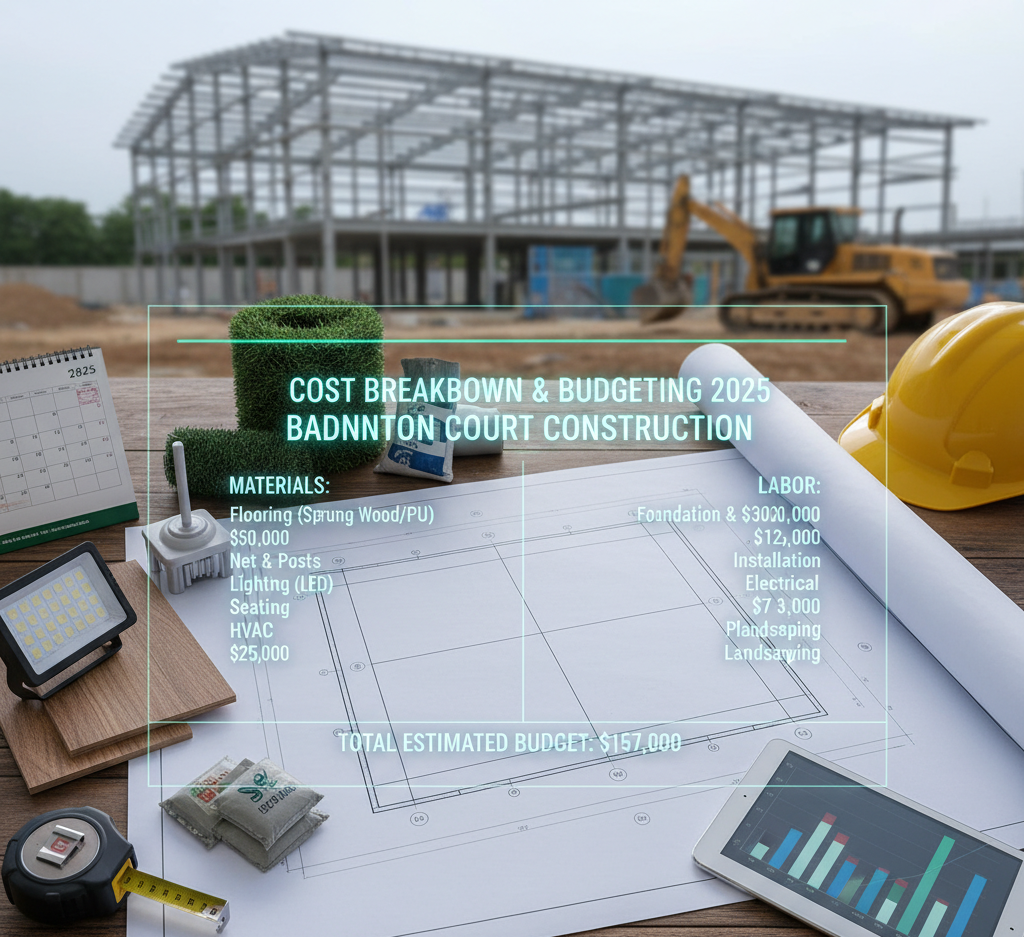
Badminton has become one of the most popular sports globally, with a significant surge in professional and recreational players. With this rising interest, building a badminton court, whether for residential, commercial, or sports club use, is a worthwhile investment. However, before diving into construction, understanding the cost breakdown and budgeting is essential for 2025. This comprehensive guide will walk you through all aspects of planning, estimating, and budgeting for a top-quality badminton court.
1. Types of Badminton Courts and Their Impact on Cost
The cost of constructing a badminton court largely depends on the type of court you plan to build. There are primarily two types:
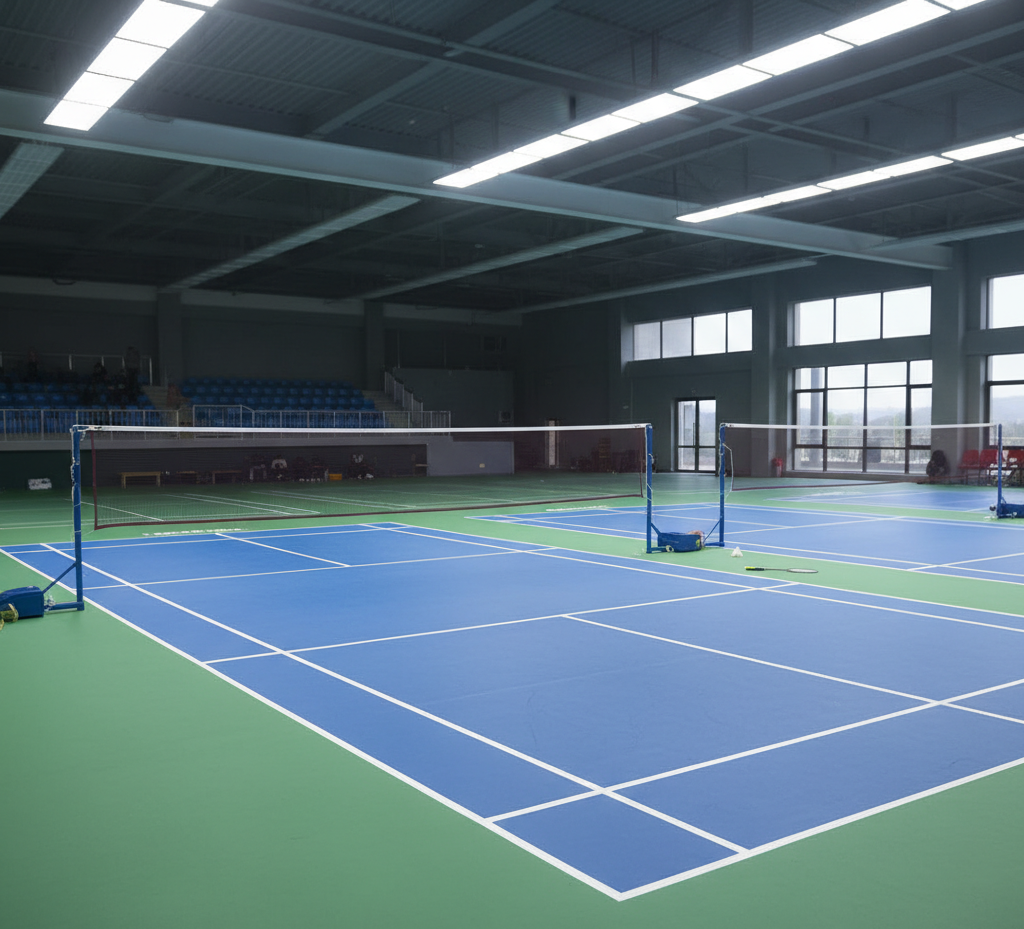
A. Indoor Badminton Court
Indoor courts are generally preferred for professional and competitive play. They require:
-
High-quality flooring (wooden or synthetic)
-
Adequate lighting
-
Climate control
-
Ventilation systems
B. Outdoor Badminton Court
Outdoor courts are common for recreational purposes and schools. These courts can use synthetic mats, interlocking tiles, or concrete with surface paint. They generally have lower construction costs than indoor courts but require weatherproofing and drainage solutions.
Cost Implication: Indoor courts can cost 2-3 times more than outdoor courts due to advanced flooring, lighting, and structural requirements.
2. Land and Site Preparation Costs
Before construction, evaluating the land and preparing the site is crucial. This includes:
-
Land acquisition or lease costs: Depending on location, this can vary significantly.
-
Ground leveling and excavation: Proper leveling ensures a flat surface, preventing injuries and ensuring proper gameplay.
-
Drainage system installation: Essential for outdoor courts to prevent waterlogging.
Estimated Cost (2025):
-
Indoor: ₹5-10 lakh for leveling and groundwork per court.
-
Outdoor: ₹2-5 lakh per court depending on soil and terrain.
3. Flooring Material Costs
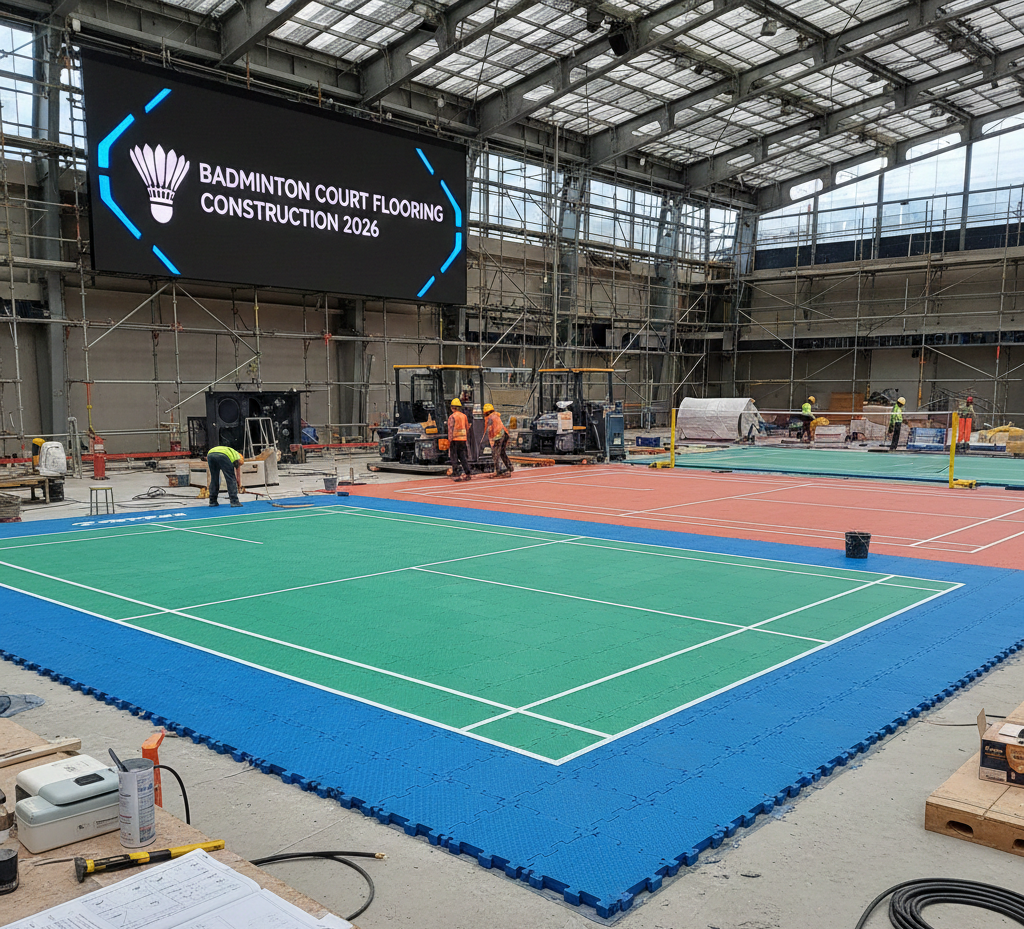
The flooring is arguably the most critical component of a badminton court, affecting safety, performance, and maintenance.
A. Indoor Flooring Options
-
Maple Wood Flooring: Standard for professional courts; provides excellent bounce and reduces injuries.
-
Cost: ₹2,500–₹3,500 per sq.m
-
-
Synthetic Vinyl Flooring (PU or PVC): Durable, low-maintenance, and suitable for multi-purpose halls.
-
Cost: ₹1,500–₹2,500 per sq.m
-
B. Outdoor Flooring Options
-
Interlocking Synthetic Tiles: Quick to install, weather-resistant, and moderate cost.
-
Cost: ₹1,200–₹1,800 per sq.m
-
-
Acrylic or Polyurethane Surface: Offers grip and durability. Often used in school or club courts.
-
Cost: ₹1,000–₹1,500 per sq.m
-
Note: Flooring costs also include underlay, padding, adhesives, and labor charges.
4. Structural and Material Costs
For indoor courts, structural elements like walls, ceilings, and roofing can significantly affect the budget.
-
Roofing & Ceiling: Pitched or flat roof with proper insulation can cost ₹3–5 lakh per court.
-
Walls & Paint: Plastering, painting, or paneling costs around ₹1–2 lakh.
-
Windows & Ventilation: Proper airflow and natural light enhance playing conditions. Budget ₹50,000–₹1 lakh.
Outdoor courts require fencing or boundary walls to keep the shuttlecock within the playing area:
-
Fencing/Net Poles: ₹50,000–₹1.5 lakh depending on materials.
5. Lighting Costs
Badminton courts require uniform, glare-free lighting. Proper illumination ensures optimal visibility and reduces eye strain.
-
Indoor Court Lighting: High-lumen LED lights arranged uniformly across the ceiling.
-
Cost: ₹1–2 lakh for a single court.
-
-
Outdoor Court Lighting: Floodlights on poles, usually 6–8 meters high.
-
Cost: ₹80,000–₹1.5 lakh depending on brand and installation.
-
6. Equipment and Accessories Costs
No court is complete without essential accessories. These include:
-
Net posts and nets: ₹15,000–₹25,000
-
Line marking & floor paint: ₹20,000–₹50,000 per court
-
Scoreboards, benches, and seating (optional): ₹50,000–₹1 lakh
-
Air conditioning or fans (for indoor courts): ₹1–2 lakh
Tip: Investing in high-quality nets and posts ensures longevity and less frequent replacement.
7. Labor and Installation Costs
Skilled labor is crucial for proper flooring, net installation, and court setup. Poor construction can lead to injuries and higher maintenance costs.
-
Flooring installation: ₹50–₹150 per sq.m depending on material
-
Court line marking: ₹5,000–₹10,000
-
Lighting installation: ₹20,000–₹50,000
Note: Labor costs may vary by city and availability of experienced contractors in 2025.
8. Maintenance and Recurring Costs
While not part of initial construction, maintenance costs should be budgeted for long-term sustainability.
-
Floor polishing & cleaning (Indoor): ₹20,000–₹40,000 annually
-
Surface repairs & repainting (Outdoor): ₹15,000–₹30,000 annually
-
Lighting replacement and fixture maintenance: ₹10,000–₹20,000 annually
Proper budgeting ensures the court remains safe, durable, and visually appealing.
9. Total Estimated Cost for 2025
Indoor Badminton Court
| Component | Estimated Cost (₹) |
|---|---|
| Land & Site Preparation | 5,00,000 – 10,00,000 |
| Flooring | 7,50,000 – 12,00,000 |
| Structure & Walls | 4,00,000 – 8,00,000 |
| Lighting | 1,00,000 – 2,00,000 |
| Equipment & Accessories | 1,00,000 – 2,00,000 |
| Labor & Installation | 2,00,000 – 3,50,000 |
| Total | 20,50,000 – 37,50,000 |
Outdoor Badminton Court
| Component | Estimated Cost (₹) |
|---|---|
| Land & Site Preparation | 2,00,000 – 5,00,000 |
| Flooring | 3,00,000 – 5,00,000 |
| Fencing & Boundary | 50,000 – 1,50,000 |
| Lighting | 80,000 – 1,50,000 |
| Equipment & Accessories | 50,000 – 1,00,000 |
| Labor & Installation | 1,00,000 – 2,00,000 |
| Total | 7,80,000 – 16,00,000 |
Observation: Indoor courts are significantly more expensive, but they are suitable for professional usage and higher player comfort.
10. Tips for Effective Budgeting
-
Plan before construction: Avoid unnecessary changes that escalate costs.
-
Choose durable materials: Upfront investment in quality flooring saves money long-term.
-
Hire experienced contractors: Skilled labor ensures proper installation and fewer repairs.
-
Include contingencies: Allocate 10–15% of the budget for unforeseen expenses.
-
Compare multiple quotes: Check pricing for materials, lighting, and labor to find the best value.
11. Final Thoughts
Constructing a badminton court in 2025 is both an exciting and practical investment for clubs, schools, or private properties. While costs vary depending on indoor vs. outdoor setups, flooring type, and accessories, careful planning and budgeting can ensure a high-quality, long-lasting facility.
With the detailed cost breakdown above, you can now plan your badminton court construction confidently, balancing quality and expenses without overshooting your budget. Remember, a well-constructed court not only boosts sports performance but also adds significant value to your property or sports facility.
Great breakdown of how the type of court dramatically influences overall cost. The reminder that indoor courts require investment in elements like controlled lighting and proper flooring, while outdoor courts need weatherproofing and drainage, is really helpful for budgeting decisions. It definitely highlights how understanding usage and long-term maintenance plans can guide the right choice.