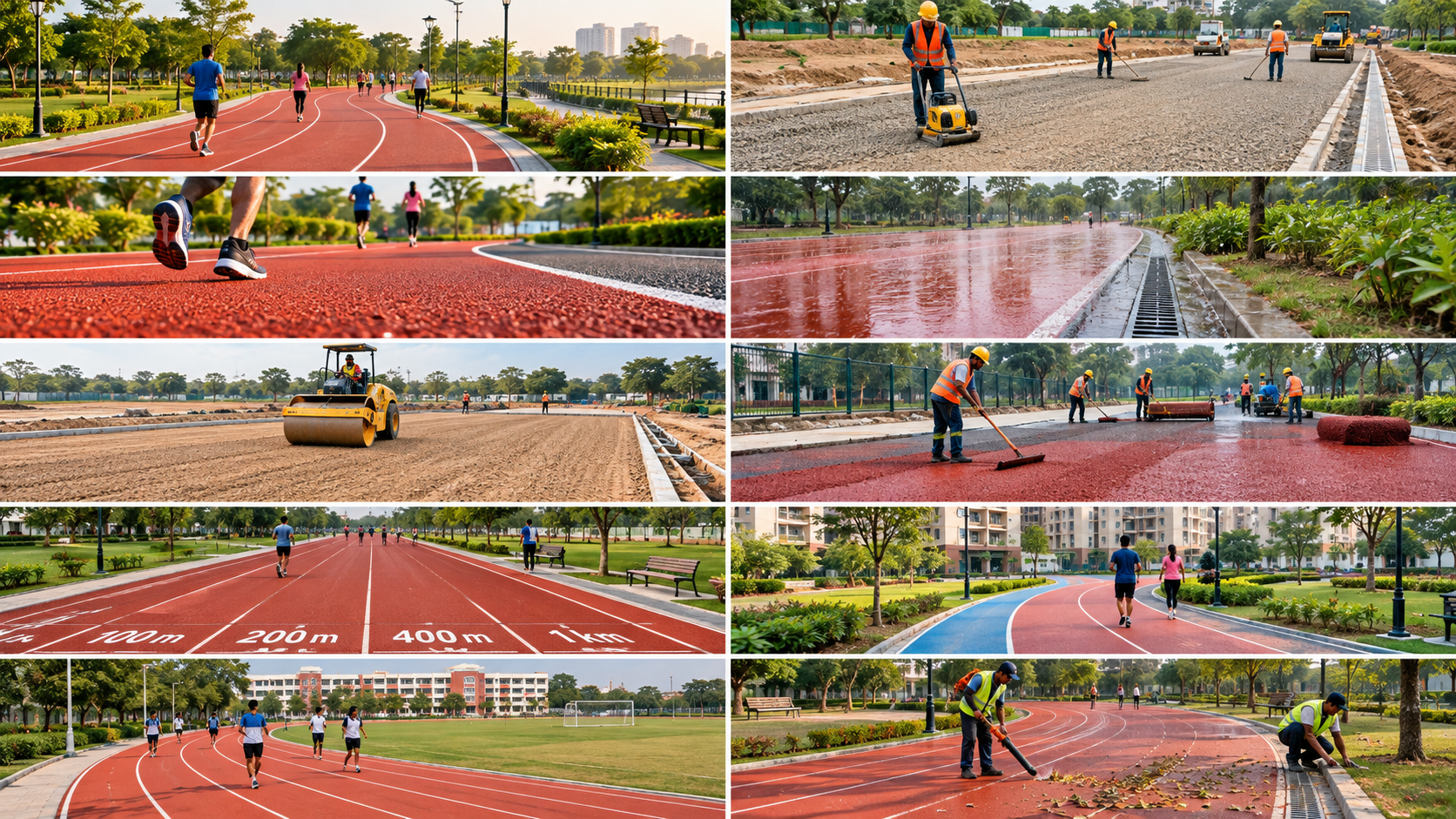
In today’s fast-paced world, maintaining physical fitness has become a priority. One of the simplest yet most effective ways to stay fit is jogging. But for jogging to be enjoyable, safe, and sustainable, having a well-planned jogging track is essential. Whether you are designing one for a community park, residential complex, or school campus, careful planning can make all the difference.
Why a Well-Planned Jogging Track Matters
A jogging track is not just a strip of pavement; it’s an avenue for health, recreation, and social engagement. A well-designed track ensures:
-
Safety: Minimizes the risk of injuries with proper surfaces and lighting.
-
Accessibility: Easy for people of all ages and fitness levels to use.
-
Sustainability: Durable materials that withstand weather and usage.
-
Aesthetic Appeal: Enhances the overall look of the area, encouraging regular use.
Key Considerations Before Designing
Before drawing the first line, ask yourself these questions:
-
Location: Is there enough space? Consider natural contours, existing trees, and foot traffic patterns.
-
Length & Width: Standard jogging tracks vary from 400 meters to 2 kilometers in length. A width of 1.5 to 2 meters is comfortable for two-way movement.
-
Surface Material: Options include asphalt, concrete, synthetic rubber, and decomposed granite. Each has different impacts on comfort, durability, and maintenance.
-
User Demographics: Will it serve children, senior citizens, professional runners, or all? Tailor the design accordingly.
-
Safety Features: Include proper lighting, railings in elevated areas, clear signage, and emergency access points.
Steps to Plan a Jogging Track
1. Site Assessment
Conduct a thorough survey of the intended location. Check for:
-
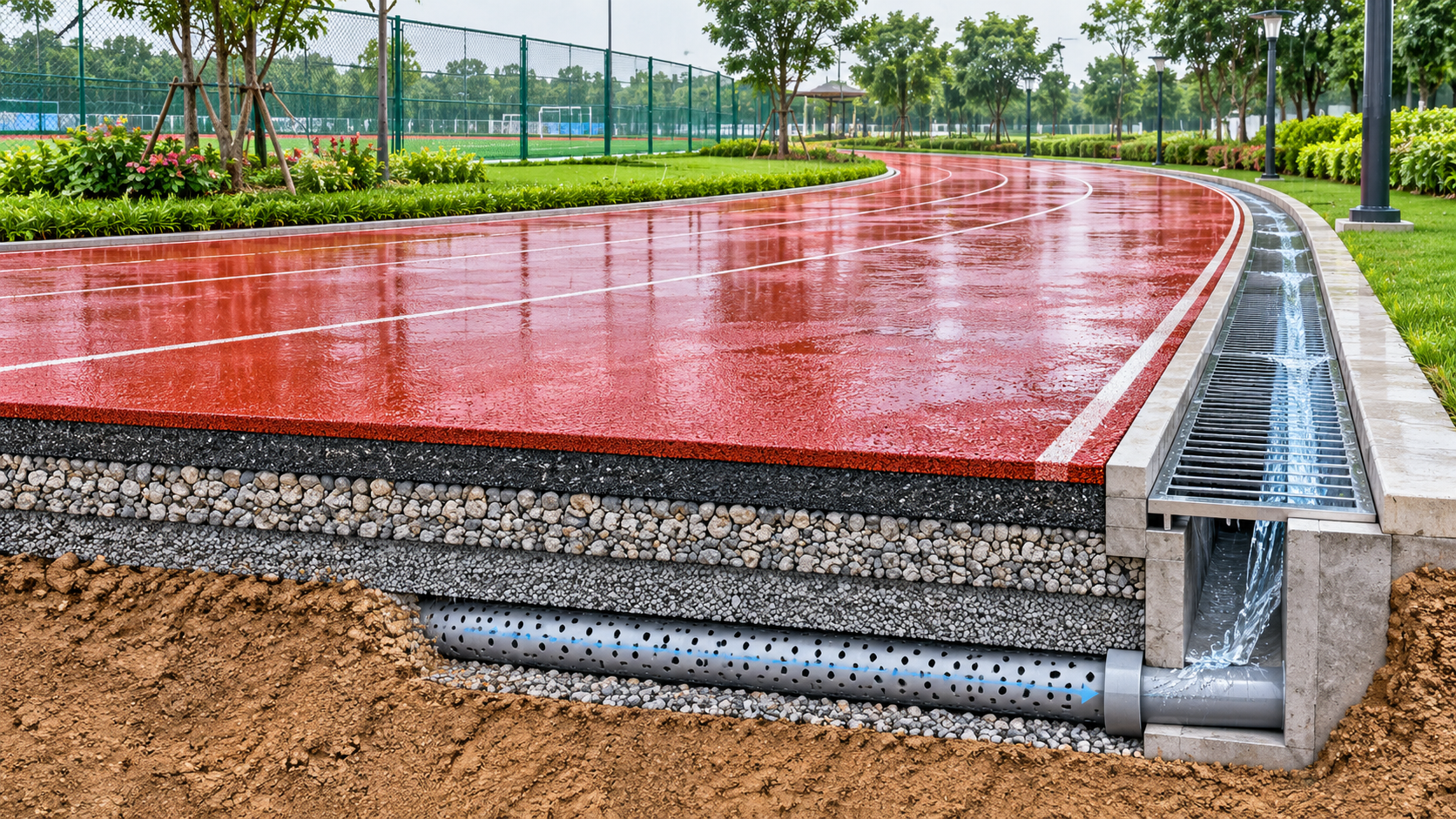
Soil type and drainage conditions
-
Slopes or uneven terrain
-
Existing vegetation that could enhance the experience
2. Track Design
-
Shape: Circular or oval tracks are popular for continuous running.
-
Zoning: Separate walking and jogging lanes if space allows.
-
Accessibility: Ensure easy entry and exit points.
3. Choosing the Right Surface
-
Asphalt: Smooth and durable, but can be hard on joints.
-
Rubberized Tracks: Shock-absorbent and ideal for frequent runners.
-
Concrete: Long-lasting but may cause strain over time.
-
Natural Paths: Grass or dirt tracks are gentle on joints but require regular maintenance.
4. Safety and Comfort Features
-
Lighting: Solar-powered lamps or LED lights for evening jogging.
-
Benches & Rest Areas: Every 200–300 meters to allow breaks.
-
Shade: Trees or canopies to provide relief during hot days.
-
Hydration Points: Water fountains or dispensers at regular intervals.
5. Landscaping and Aesthetics
A visually appealing jogging track encourages regular use. Consider:
-
Green belts along the track
-
Flower beds or shrubs for color and scent
-
Smooth curves and scenic routes to break monotony
6. Maintenance Plan
-
Routine cleaning of debris
-
Surface inspections and repairs
-
Seasonal checks for lighting, trees, and drainage
Benefits of a Properly Planned Jogging Track
-
Promotes Fitness: Encourages regular cardiovascular exercise.
-
Mental Well-being: Jogging outdoors reduces stress and anxiety.
-
Social Interaction: A common place for community members to meet and exercise.
-
Environmental Benefits: Green tracks help reduce urban heat and improve air quality.
Conclusion
Designing a jogging track requires more than laying down a path. It’s about creating a safe, accessible, and enjoyable environment that motivates people to move. With careful planning, thoughtful materials, and attention to aesthetics, your jogging track can become a hub for health, fitness, and community well-being.