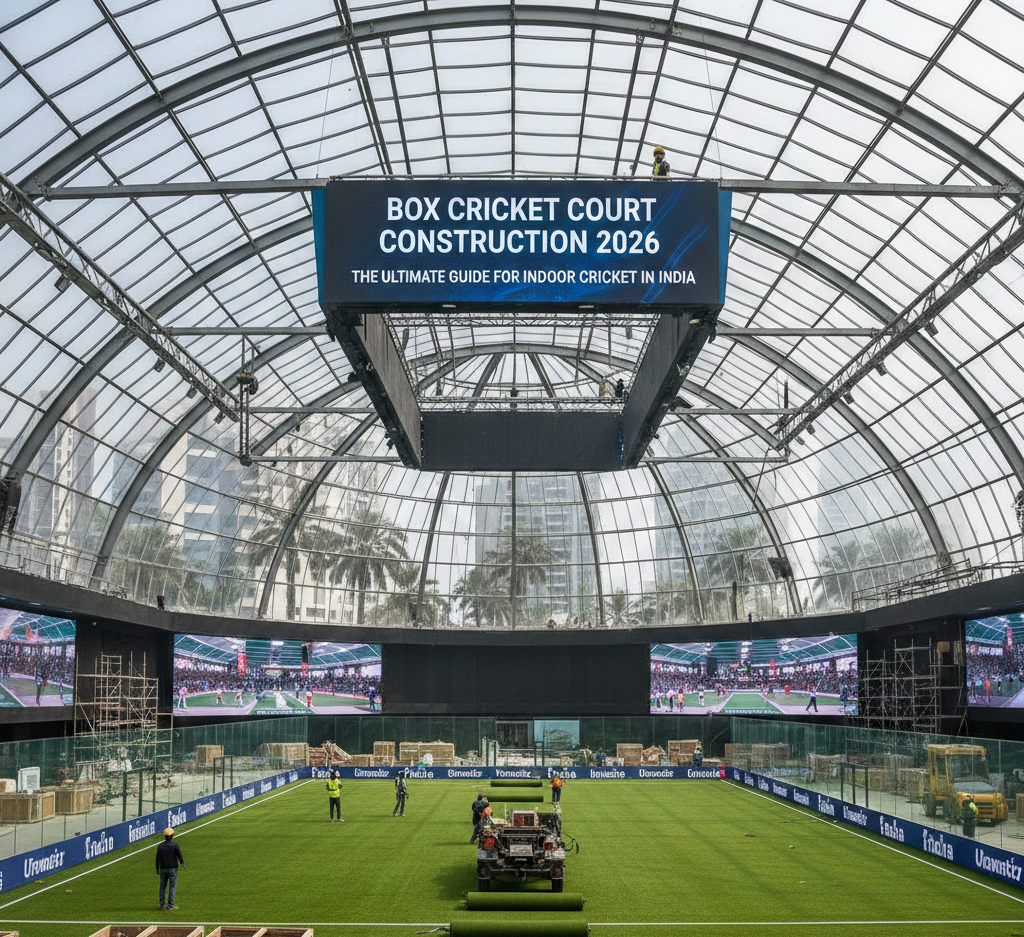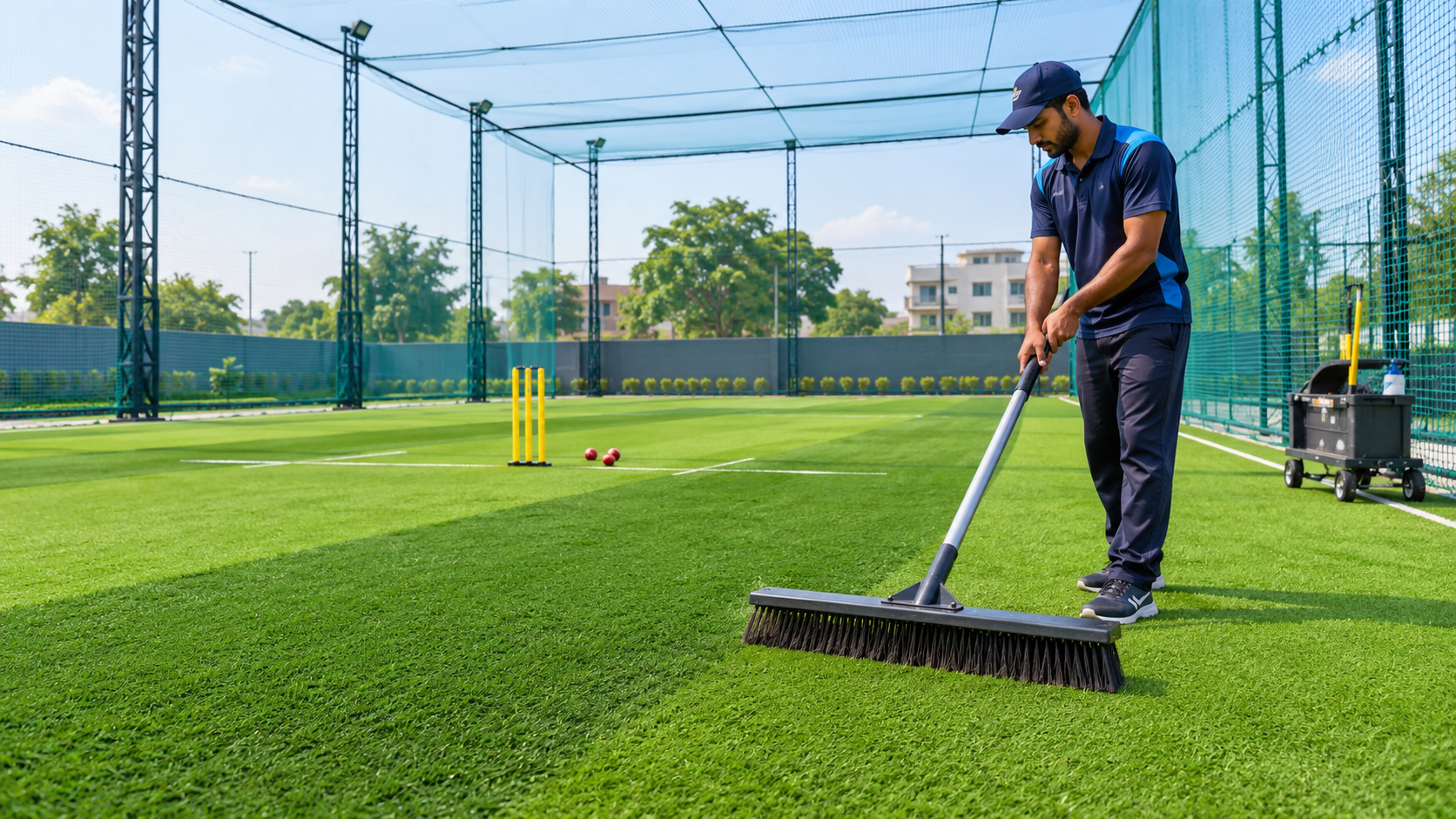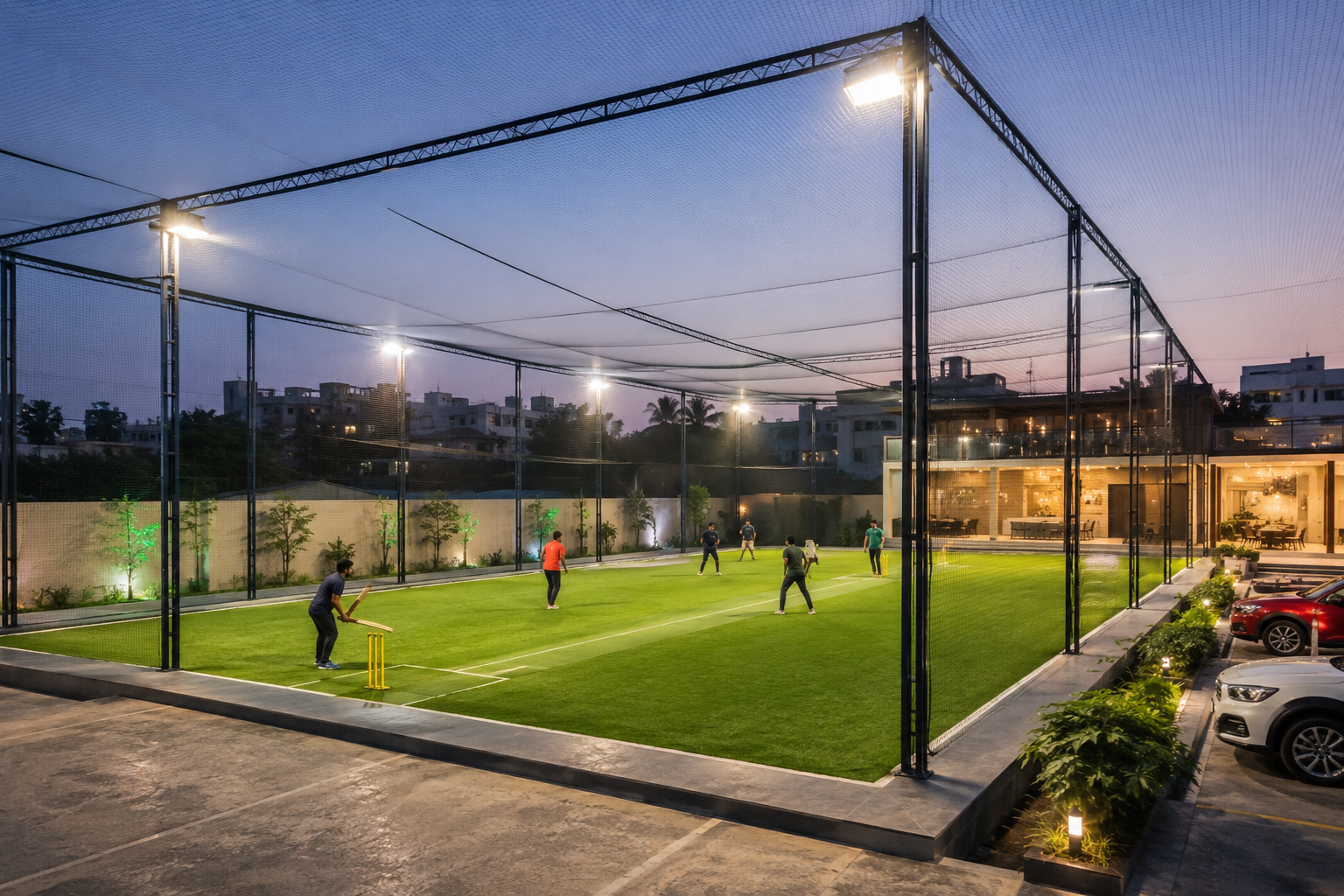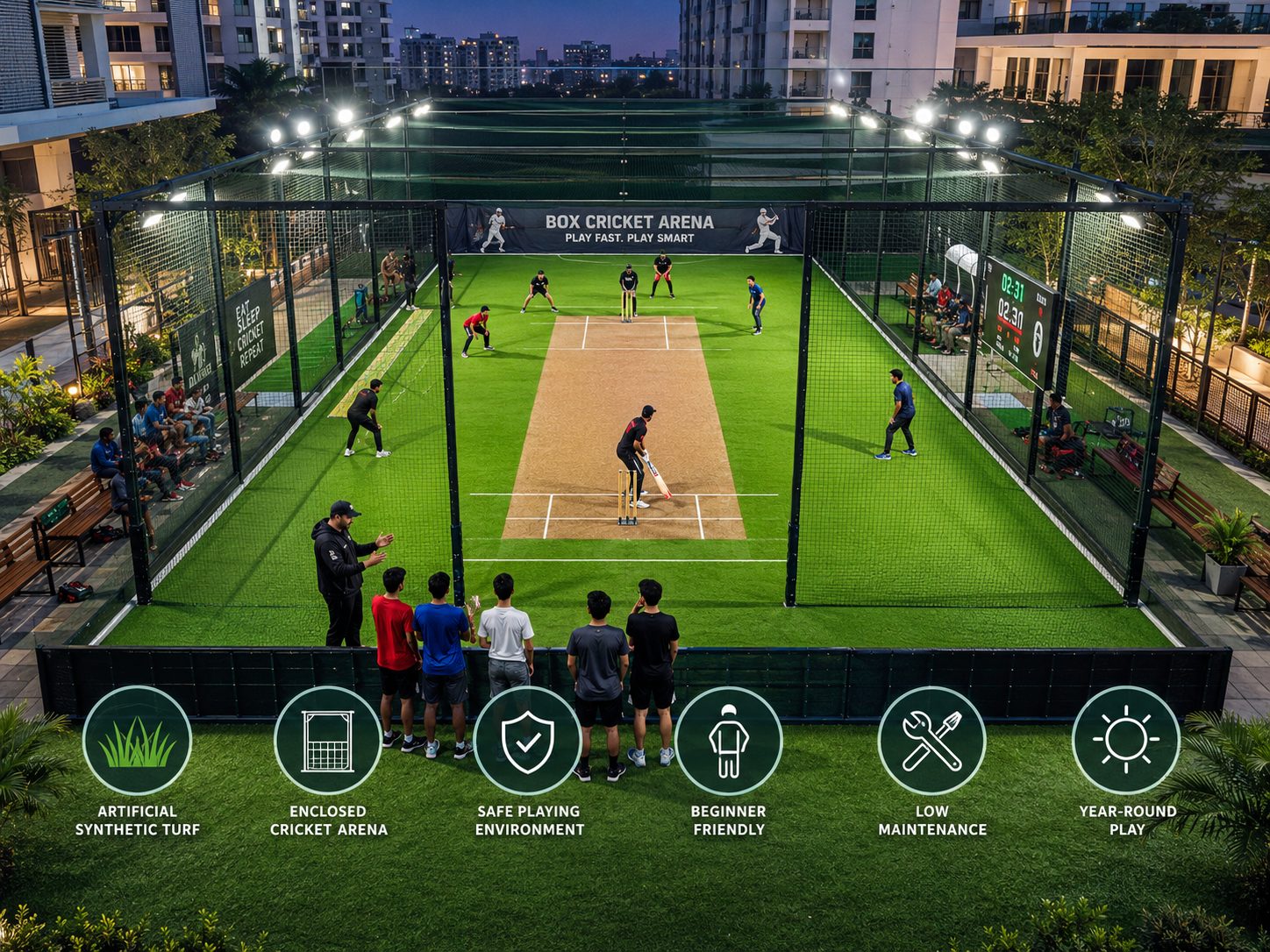
Introduction
Cricket is more than just a sport in India—it’s a passion that unites millions of people across every age group. With increasing urbanization and limited open spaces, traditional cricket grounds are becoming less accessible. As a result, Box Cricket Turf has emerged as one of the fastest-growing sports infrastructure trends in India. From schools and colleges to corporate parks, residential societies, and commercial sports arenas, box cricket facilities are becoming a preferred destination for recreational and competitive cricket.
Unlike conventional cricket grounds, box cricket is played within a compact enclosed arena featuring high-quality artificial cricket turf, safety netting, LED floodlights, and professional sports flooring. These facilities allow players to enjoy cricket throughout the year without worrying about muddy pitches, uneven surfaces, or weather-related interruptions.
The popularity of box cricket turf construction has also created significant business opportunities. Entrepreneurs, sports clubs, schools, and investors are increasingly developing indoor and outdoor cricket arenas because they offer excellent returns through hourly rentals, tournaments, coaching programs, and memberships.
Modern synthetic cricket turf provides consistent ball bounce, improved player safety, reduced maintenance costs, and exceptional durability. Compared to natural grass, artificial turf requires minimal watering, mowing, or fertilization, making it a cost-effective long-term investment.
Whether you are planning to build a sports complex, start a profitable box cricket business, or simply understand how cricket turf works, this beginner’s guide covers everything you need to know—from turf types and construction materials to benefits, installation methods, and maintenance practices.
What Is Box Cricket Turf?
Box Cricket Turf is a specially designed artificial playing surface installed inside an enclosed cricket arena. The playing area is surrounded by durable netting or steel fencing that keeps the ball within the playing zone, making the game faster, safer, and more engaging.
Instead of natural grass, these courts use synthetic turf made from high-quality polyethylene or polypropylene fibers. The turf is installed over a carefully prepared base consisting of compacted stone, asphalt, or concrete, ensuring a smooth, level, and shock-absorbing surface.
A typical box cricket facility includes:
- Premium artificial cricket turf
- Professional cricket pitch
- Protective side and roof netting
- LED floodlighting
- Steel support structures
- Entry and exit gates
- Drainage system
- Seating area for spectators
- Player benches
- Scoreboard and branding panels
Most box cricket games are played with 6 to 8 players per side, making the format ideal for quick matches, corporate tournaments, coaching sessions, and recreational play.
Because the playing area is compact, every ball remains in play, increasing the pace of the game and reducing downtime.
Why Is Artificial Turf Used for Box Cricket?
Artificial turf offers several advantages over natural grass, making it the preferred choice for modern cricket facilities.
Consistent Playing Performance
Natural grass changes with weather conditions, but synthetic turf provides a uniform playing surface throughout the year. Players enjoy predictable ball bounce, smoother movement, and improved gameplay.
Low Maintenance
Unlike natural grass, artificial turf does not require:
- Daily watering
- Regular mowing
- Fertilizer application
- Pest control
- Re-seeding
Routine brushing and occasional cleaning are generally sufficient to maintain the surface.
Weather Resistance
Modern cricket turf is designed to withstand:
- Heavy rainfall
- Extreme summer heat
- UV exposure
- Dust
- High foot traffic
This allows facilities to remain operational in most weather conditions.
Enhanced Safety
Quality synthetic turf systems include cushioning layers that help absorb impact, reducing the risk of slips, falls, and joint injuries.
Long Service Life
With proper installation and maintenance, premium artificial cricket turf can last 8 to 10 years or more, making it a durable investment.
History & Growing Popularity of Box Cricket
The concept of box cricket originated as a practical solution for playing cricket in densely populated urban areas where large playgrounds were unavailable. Initially, small enclosed cricket arenas were developed for recreational use, allowing players to enjoy quick matches in limited spaces.
Over time, the format evolved into a structured sport with standardized rules, professional facilities, and organized tournaments.
Early Development
Box cricket first gained popularity in metropolitan cities where space constraints made full-sized cricket grounds difficult to access. Schools, sports clubs, and private operators began converting unused land and warehouses into enclosed cricket arenas.
Rise of Indoor Sports Facilities
The rapid growth of indoor sports complexes significantly boosted the popularity of box cricket. Air-conditioned indoor arenas equipped with premium synthetic turf allowed players to enjoy cricket regardless of weather conditions.
Corporate Cricket Culture
Many companies now organize corporate cricket leagues to promote employee engagement and wellness. Box cricket’s shorter match duration and compact format make it ideal for after-work tournaments and team-building events.
Growth of Commercial Cricket Arenas
Entrepreneurs recognized the strong business potential of hourly turf rentals. Today, many box cricket venues operate from early morning until late at night, generating consistent revenue through:
- Hourly bookings
- Coaching academies
- Weekend tournaments
- Birthday parties
- Corporate events
- School competitions
Digital Booking Platforms
Online booking apps and digital payment systems have made reserving cricket turfs easier than ever. Players can compare prices, view availability, and book slots within minutes, further accelerating the industry’s growth.
Why Box Cricket Is Becoming So Popular
Several factors have contributed to the rapid expansion of the box cricket industry.
Space Efficiency
Traditional cricket grounds require vast open spaces, whereas a box cricket facility can be built on relatively small plots, making it ideal for urban locations.
Year-Round Usage
Artificial turf performs well in various weather conditions, allowing games to continue throughout the year with minimal disruption.
Faster Gameplay
Compact dimensions keep the ball in play more often, making matches exciting and time-efficient.
Suitable for All Skill Levels
Whether you’re a beginner, amateur, or experienced player, box cricket provides an enjoyable environment for practice and competition.
Profitable Business Opportunity
The growing demand for sports infrastructure has made box cricket turf construction an attractive investment. A well-managed facility can generate steady income through rentals, coaching, tournaments, sponsorships, and memberships.
Growing Fitness Awareness
As more people seek fun and engaging ways to stay active, recreational sports like box cricket have become increasingly popular among families, students, and working professionals.
Types of Box Cricket Turf
Selecting the right turf system is essential for achieving optimal performance, durability, and player comfort. The choice depends on factors such as budget, usage frequency, indoor or outdoor installation, and maintenance requirements.
1. Artificial Synthetic Cricket Turf
This is the most widely used option for commercial box cricket facilities. It is manufactured using high-quality polyethylene fibers that closely resemble natural grass while offering excellent durability and consistent performance.
Best for:
- Commercial box cricket arenas
- Sports clubs
- Schools and colleges
- Coaching academies
- Residential societies
Advantages:
- Excellent durability
- Low maintenance
- Consistent ball bounce
- UV resistance
- Weatherproof performance
- Professional appearance
2. Polyethylene (PE) Turf
Polyethylene turf is known for its soft texture and superior playing comfort. It is one of the most preferred choices for premium sports facilities due to its excellent resilience and player-friendly surface.
Benefits:
- Comfortable underfoot
- Realistic grass-like appearance
- Excellent shock absorption
- Suitable for frequent use
3. Polypropylene (PP) Turf
Polypropylene turf is a more economical option commonly used in low-traffic recreational facilities. While it offers a lower upfront cost, it is generally less durable than polyethylene turf.
Best suited for:
- Budget installations
- Temporary sports arenas
- Recreational play
- Low-frequency usage
-
Components of a Box Cricket Turf
A professionally designed Box Cricket Turf consists of several integrated components that work together to provide a safe, durable, and high-performance playing environment. Each component plays an important role in ensuring consistent gameplay, player safety, and long-term durability.
1. Ground Preparation
Every successful box cricket turf construction project begins with proper site preparation. The construction team first clears vegetation, debris, loose soil, and unwanted materials from the site. The ground is then excavated and leveled using laser-guided equipment to achieve a perfectly even surface.
Proper grading is also essential for preventing water accumulation and ensuring effective drainage.
Ground Preparation Includes:
- Site survey and measurements
- Soil testing
- Excavation
- Surface leveling
- Compaction
- Drainage planning
A stable foundation significantly increases the lifespan of the cricket turf.
2. Base Layer
The base layer acts as the structural foundation of the entire turf system. It supports player movement, distributes weight evenly, and prevents the surface from settling over time.
Common base materials include:
- Compacted crushed stone
- Granular sub-base (GSB)
- Wet Mix Macadam (WMM)
- Concrete slab
- Asphalt base
For commercial outdoor facilities, asphalt is one of the most preferred options because it offers excellent drainage and long-term stability.
3. Shock Absorption Layer
Modern cricket turfs often include a cushioning layer that improves player comfort and reduces the impact on knees, ankles, and joints.
Benefits include:
- Better shock absorption
- Reduced fatigue
- Improved safety
- Comfortable running surface
- Enhanced durability
Premium sports flooring systems may use specialized foam or rubber pads beneath the artificial turf.
4. Artificial Cricket Turf
This is the primary playing surface. The synthetic grass is manufactured using advanced polyethylene or polypropylene fibers that provide a natural grass appearance while delivering consistent playing performance.
High-quality artificial turf offers:
- Excellent ball bounce
- Better traction
- UV protection
- Anti-slip surface
- Long service life
- Weather resistance
Pile heights generally range from 15 mm to 40 mm, depending on the facility’s intended use.
5. Silica Sand and Rubber Infill
After the turf is installed, it is filled with silica sand and, in some systems, rubber granules.
These materials help:
- Keep grass fibers upright
- Improve shock absorption
- Stabilize the turf
- Enhance ball performance
- Extend turf lifespan
The quantity of infill varies depending on the turf type and manufacturer recommendations.
6. Protective Netting
One of the defining features of a box cricket arena is its fully enclosed net system. High-strength UV-resistant netting surrounds the playing area and is often installed overhead as well.
Advantages include:
- Prevents balls from leaving the arena
- Enhances player safety
- Reduces interruptions
- Protects nearby properties
- Allows uninterrupted gameplay
Commercial facilities generally use HDPE sports netting due to its durability and weather resistance.
7. Steel Support Structure
The netting is supported by galvanized steel poles and structural frames.
A quality steel framework provides:
- Excellent structural stability
- Corrosion resistance
- Wind resistance
- Long operational life
Hot-dip galvanized steel is commonly used because it requires minimal maintenance.
8. LED Floodlighting
Professional facilities install energy-efficient LED floodlights to enable night matches.
Benefits include:
- Uniform illumination
- Low electricity consumption
- Longer lifespan
- Better player visibility
- Improved spectator experience
LED lighting also increases the number of bookable hours each day, improving revenue potential.
9. Drainage System
Water management is one of the most important aspects of outdoor cricket turf construction.
A well-designed drainage system includes:
- Surface slopes
- Side drains
- Perforated drainage pipes
- Water outlets
- Gravel drainage layers
Proper drainage helps maintain turf quality and minimizes downtime after rainfall.
Standard Dimensions of a Box Cricket Turf
Although box cricket facilities can be customized based on available space, several commonly accepted dimensions are used across India.
Facility Type Approximate Size Small Box Cricket Arena 80 ft × 40 ft Standard Commercial Arena 90 ft × 50 ft Premium Arena 100 ft × 60 ft Indoor Box Cricket Custom Layout Practice Pitch 66 ft to 70 ft Common Height of Netting
- 18–25 feet
Turf Thickness
- 15 mm–40 mm
Boundary Clearance
- Minimum 3–5 feet around the playing area
These dimensions can be modified based on land availability, customer requirements, and local regulations.
Box Cricket Turf Construction Process (Step by Step)
Building a professional box cricket arena requires careful planning and execution. Below is the standard construction process followed by experienced sports flooring contractors.
Site Survey and Planning
Engineers inspect the site to assess:
- Soil condition
- Available area
- Drainage requirements
- Accessibility
- Utility connections
A detailed project layout is then prepared.
Ground Excavation
The existing surface is excavated to the required depth. Loose soil, vegetation, and debris are removed before construction begins.
Sub-Base Construction
The sub-base is built using crushed aggregates and compacted in multiple layers using heavy rollers.
Proper compaction prevents:
- Surface settlement
- Uneven turf
- Water accumulation
Base Construction
Depending on project specifications, contractors install either:
- Concrete base
- Asphalt base
The base must be perfectly level before turf installation begins.
Drainage Installation
Drainage pipes and channels are installed before laying the turf.
A slight slope allows rainwater to flow naturally toward drainage outlets.
Turf Installation
Large rolls of artificial cricket turf are carefully positioned over the prepared base.
Installers ensure:
- Proper alignment
- Tight joints
- Seamless appearance
- Correct stretching
The turf is then securely bonded using specialized adhesives and joining tapes.
Infill Application
Silica sand and rubber granules are evenly distributed using mechanical spreaders.
The turf is brushed multiple times to ensure even infill distribution.
Net Installation
Protective netting is fixed to galvanized steel poles using heavy-duty fasteners.
Both side and roof netting are installed to create a secure playing enclosure.
Lighting Installation
LED floodlights are mounted on steel poles at strategic positions to eliminate shadows and provide uniform lighting.
Final Inspection
Before handover, contractors perform a comprehensive quality inspection.
This includes checking:
- Turf alignment
- Surface flatness
- Net tension
- Lighting
- Drainage
- Safety standards
- Overall finish
Only after passing all inspections is the facility ready for use.
Materials Used in Box Cricket Turf Construction
Using premium materials is essential for creating a durable and high-performance sports facility.
Artificial Turf
Manufactured using:
- Polyethylene (PE)
- Polypropylene (PP)
- Nylon (for specialized applications)
Base Materials
Common options include:
- Crushed stone
- WMM
- Asphalt
- Reinforced concrete
Infill Materials
- Silica sand
- EPDM rubber granules
- SBR rubber granules
Adhesives
Professional-grade polyurethane adhesives are used for strong and durable turf joints.
Netting
Commercial facilities typically use:
- HDPE sports net
- Knotless netting
- UV-resistant netting
Steel Structure
Preferred materials include:
- Galvanized steel pipes
- Mild steel sections
- Powder-coated steel frames
Lighting Equipment
- LED floodlights
- Waterproof electrical fittings
- Energy-efficient wiring
- Smart lighting controls (optional)
Box Cricket Turf Cost in India (2026)
The total cost of building a box cricket turf depends on factors such as location, land preparation, turf quality, lighting, netting, and additional amenities. While prices vary by city and project specifications, understanding the major cost components helps in planning a realistic budget.
Key Factors That Influence Cost
1. Land Size
A larger playing area requires more turf, base materials, steel structures, and protective netting, increasing the overall investment.
2. Turf Quality
Premium polyethylene turf with higher pile height and UV protection costs more than basic polypropylene options but offers superior durability and performance.
3. Base Construction
The choice between compacted stone, asphalt, or reinforced concrete significantly affects project costs. Asphalt and reinforced concrete generally provide greater stability for commercial facilities.
4. Indoor vs. Outdoor Installation
Indoor arenas often require additional investment in steel structures, roofing, ventilation, and lighting, while outdoor facilities prioritize drainage and weather-resistant materials.
5. Lighting and Accessories
Features such as LED floodlights, digital scoreboards, seating, changing rooms, CCTV systems, and booking kiosks increase both functionality and overall project value.
6. Location and Labor
Construction costs vary across cities due to differences in transportation, labor charges, material availability, and local regulations.
Tips for Budget Planning
- Choose high-quality turf for long-term durability.
- Invest in a strong drainage system to reduce future maintenance.
- Use galvanized steel structures for corrosion resistance.
- Include routine maintenance costs in your financial planning.
- Work with experienced sports flooring contractors to ensure quality installation and fewer repair expenses over time.
A well-planned box cricket facility may involve a higher initial investment, but it often delivers excellent long-term value through lower maintenance costs, increased durability, and better customer satisfaction.
-
Maintenance Guide for Box Cricket Turf
A professionally installed box cricket turf is designed to provide years of reliable performance, but regular maintenance is essential to preserve its appearance, safety, and playing quality. Proper care not only extends the lifespan of the turf but also enhances the overall experience for players and visitors.
Unlike natural grass, artificial cricket turf requires significantly less maintenance. However, neglecting routine cleaning and inspections can lead to premature wear, uneven playing conditions, and costly repairs.
Daily Maintenance
Daily maintenance should focus on keeping the playing surface clean and safe.
Routine tasks include:
- Remove leaves, dust, and litter from the turf.
- Check for loose seams or damaged edges.
- Inspect the playing area for sharp objects or debris.
- Ensure the netting is securely attached.
- Verify that floodlights and electrical systems are functioning correctly.
Regular inspections help identify minor issues before they become major problems.
Weekly Maintenance
Weekly maintenance improves the performance and appearance of the turf.
Recommended tasks include:
- Brush the synthetic grass to keep fibers upright.
- Redistribute silica sand or rubber infill where necessary.
- Clean player seating and surrounding walkways.
- Inspect steel poles and support structures.
- Check drainage outlets for blockages.
Maintaining the infill evenly ensures consistent ball bounce and player comfort.
Monthly Maintenance
A more detailed inspection should be carried out every month.
This includes:
- Pressure cleaning the turf if required.
- Tightening bolts on steel structures.
- Inspecting protective netting for tears.
- Checking adhesive joints.
- Testing LED lighting systems.
- Examining drainage performance after rainfall.
Professional servicing every few months can further extend the life of the facility.
Seasonal Maintenance
Before and after the monsoon season:
- Remove accumulated dirt from drainage channels.
- Inspect the base for waterlogging.
- Repair damaged turf sections immediately.
- Replace worn netting if necessary.
- Refill areas where infill has shifted.
Proper seasonal maintenance ensures uninterrupted operation throughout the year.
Indoor vs Outdoor Box Cricket Turf
One of the first decisions during box cricket turf construction is choosing between an indoor or outdoor facility. Both options offer unique advantages depending on your budget, available space, climate, and business goals.
Feature Indoor Box Cricket Turf Outdoor Box Cricket Turf Weather Impact Playable year-round May be affected by heavy rain Construction Cost Higher Moderate Maintenance Lower exposure to weather Requires drainage maintenance Lighting Fully controlled Natural + floodlights Player Comfort Climate-controlled Open-air experience Revenue Potential High due to all-season usage High with proper scheduling Space Requirement Flexible Requires open land Indoor Box Cricket Turf
Indoor facilities are ideal for cities with extreme weather conditions. They provide uninterrupted gameplay regardless of rain or heat, making them highly attractive for commercial operations.
Advantages:
- Operates throughout the year
- Better control over lighting and temperature
- Minimal weather-related wear
- Suitable for coaching academies and tournaments
Considerations:
- Higher initial investment
- Requires roofing, ventilation, and additional infrastructure
Outdoor Box Cricket Turf
Outdoor facilities are more common and generally less expensive to build. With a properly designed drainage system and quality artificial turf, they can perform exceptionally well in most climates.
Advantages:
- Lower construction cost
- Natural playing environment
- Easier expansion
- Lower energy consumption
Considerations:
- Requires effective drainage
- Exposure to sunlight and rain increases maintenance needs
Common Mistakes to Avoid During Box Cricket Turf Construction
Avoiding common construction errors helps ensure a durable and high-performing sports facility.
1. Choosing Low-Quality Turf
Selecting inexpensive turf may reduce the initial investment but often leads to faster wear, inconsistent playing performance, and higher replacement costs.
2. Ignoring Drainage Design
Poor drainage is one of the leading causes of turf damage. Water accumulation can weaken the base, reduce playing quality, and shorten the lifespan of the surface.
3. Improper Ground Preparation
A weak or uneven foundation can result in surface depressions, poor ball bounce, and structural issues over time.
4. Using Inferior Steel Structures
Low-quality steel is more susceptible to corrosion and may compromise the safety and stability of the netting system.
5. Incorrect Turf Installation
Poorly aligned seams, inadequate adhesive application, or improper stretching can lead to wrinkles, lifting, and uneven gameplay.
6. Overlooking Player Safety
Safety features such as shock-absorbing layers, high-quality netting, adequate lighting, and secure fencing should never be compromised.
7. Neglecting Maintenance
Even premium artificial turf requires routine care. Skipping maintenance can reduce performance and increase long-term repair costs.
How to Choose the Right Box Cricket Turf Construction Company
Choosing an experienced sports flooring company is one of the most important decisions for your project. A professional contractor ensures quality materials, precise installation, and long-term support.
Evaluate Experience
Look for companies with proven expertise in sports infrastructure and multiple completed box cricket turf projects.
Review Previous Projects
Request photographs, videos, or site visits to assess the quality of completed installations.
Check Material Quality
Ensure the contractor uses:
- Premium artificial turf
- UV-resistant fibers
- Galvanized steel structures
- High-quality netting
- Professional adhesives
- Reliable drainage systems
Understand the Construction Process
A reputable company should clearly explain each stage of construction, from site preparation to final inspection.
Compare Warranties
Choose a contractor who offers warranties on turf materials and workmanship for added peace of mind.
Read Customer Reviews
Positive testimonials and references can provide valuable insight into the company’s reliability, communication, and after-sales service.
Consider Long-Term Support
Maintenance services, repair assistance, and technical guidance are important factors when selecting a construction partner.
Frequently Asked Questions (SEO Optimized)
1. What is a box cricket turf?
A box cricket turf is an enclosed cricket playing area with artificial grass, protective netting, and sports infrastructure designed for recreational and competitive cricket.
2. Why is artificial turf used instead of natural grass?
Artificial turf offers consistent ball bounce, lower maintenance, weather resistance, and a longer lifespan compared to natural grass.
3. How long does artificial cricket turf last?
With proper installation and regular maintenance, premium artificial cricket turf typically lasts 8 to 10 years, depending on usage and environmental conditions.
4. What is the ideal size for a box cricket turf?
Common commercial dimensions range from 80 ft × 40 ft to 100 ft × 60 ft, though layouts can be customized based on available land.
5. Is box cricket a profitable business?
Yes. Commercial box cricket facilities can generate income through hourly bookings, coaching academies, tournaments, memberships, sponsorships, and corporate events.
6. Can box cricket turf be installed indoors?
Yes. Indoor installations are increasingly popular because they allow year-round play regardless of weather conditions.
7. How often should artificial turf be maintained?
Basic cleaning should be performed daily, with brushing and detailed inspections carried out weekly or monthly, depending on usage.
8. Which turf material is best for box cricket?
High-quality polyethylene (PE) artificial turf is widely regarded as the best option due to its durability, realistic appearance, and excellent playing performance.
9. How long does box cricket turf construction take?
The construction timeline depends on the project size, site conditions, and weather, but most professional installations are completed within 4 to 8 weeks.
10. What factors affect box cricket turf construction cost?
The overall cost depends on land size, turf quality, base preparation, steel structures, lighting, drainage, netting, and additional facilities such as seating or changing rooms.
Conclusion
The demand for box cricket turf, artificial cricket turf, and synthetic cricket pitch construction continues to grow as urban sports infrastructure evolves across India. With limited open spaces and increasing interest in recreational sports, professionally built box cricket arenas provide a practical, durable, and profitable solution for schools, sports clubs, residential communities, and entrepreneurs.
A successful project depends on careful planning, quality materials, proper ground preparation, effective drainage, and expert installation. Investing in premium turf, reliable steel structures, and routine maintenance ensures a safe playing environment and long-term value.
Whether your goal is to develop a commercial sports facility, establish a coaching academy, or create a community recreation space, partnering with an experienced box cricket court construction company can help bring your vision to life with confidence and quality.
Call to Action
Ready to build a world-class Box Cricket Turf?
Partner with experienced sports flooring experts to design and construct a premium cricket facility tailored to your needs. From site assessment and ground preparation to artificial turf installation, LED lighting, protective netting, and complete turnkey execution, professional solutions ensure outstanding performance, durability, and player satisfaction.
Get in touch today to discuss your project, request a customized quotation, and take the first step toward creating a modern box cricket arena that delivers exceptional playing experiences and long-term business value.